Discover how industry experts recommend reducing TimeClock hardware costs using adaptable, UKG-compatible solutions like CloudApper AI TimeClock.



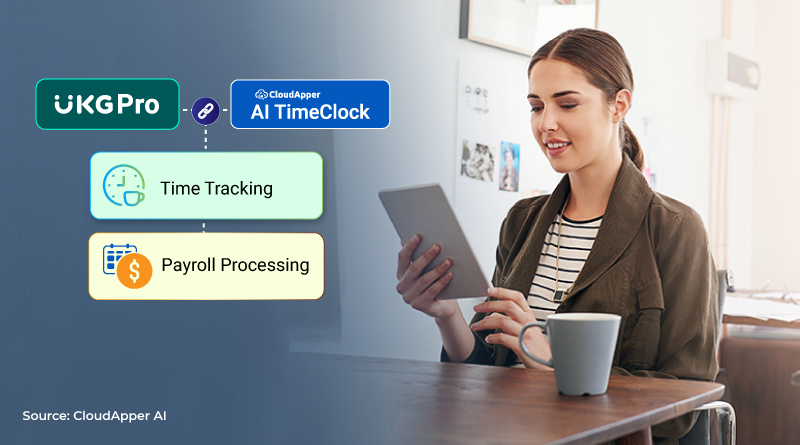
As time tracking hardware becomes more expensive and harder to procure, many organizations are questioning whether traditional TimeClocks are still the best option. The rising costs—combined with complex setup, long lead times, and limited flexibility—are pushing workforce leaders to find more scalable and affordable solutions. We reached out to a panel of industry experts to get their perspective on how to reduce TimeClock hardware costs without compromising on compliance, functionality, or integration with platforms like UKG. Here’s what they had to say.
Rethink Your Hardware Strategy Entirely
“One of the biggest mistakes I see companies make is assuming they need proprietary hardware to track time accurately,” says Rachel M., a workforce technology consultant in the retail sector. “In reality, what they need is reliable data capture that integrates with their HCM—and that doesn’t require a $2,000 device per location.”

Rachel points out that many organizations already have the infrastructure needed to run a modern time capture system: Android tablets, Wi-Fi access, and a flexible workforce. By shifting to off-the-shelf tablets and a configurable platform like CloudApper, companies can cut TimeClock hardware costs dramatically and deploy new sites faster.
Focus on Speed and Flexibility Over Brand Name
“Companies are spending more time waiting for hardware than setting it up,” says Jacob R., an HR systems manager in logistics. “We had a backlog of clocks sitting in procurement for weeks. By the time they arrived, we’d already deployed tablets with CloudApper and were live.”
Jacob emphasized that flexibility should drive decision-making—not brand loyalty. His team used low-cost tablets to quickly replace aging biometric clocks that had become unreliable and costly to maintain.
Evaluate the True Total Cost of Ownership
“TimeClock hardware costs go far beyond the purchase price,” says Leslie T., an operations analyst for a multi-location healthcare provider. “You need to factor in support contracts, mounting kits, shipping delays, and the fact that you’re locked into a single vendor.”
She explains that the maintenance model for proprietary devices typically requires service calls and licensing fees, whereas tablet-based systems like CloudApper are easy to replace and manage internally. “You can pick up a replacement device from a local store. That alone cuts down downtime and cost.”
Experts Agree—Cutting TimeClock Hardware Costs Is About Control
A consistent theme across the board is the need for control: over hardware selection, over setup timelines, and over how the TimeClock behaves. And that’s where platforms like CloudApper stand out.
With CloudApper AI TimeClock, organizations gain:
- A UKG-compatible system that runs on tablets
- Customizable clock-in workflows and attestation prompts
- Real-time syncing with UKG Ready, Pro, and Dimensions
- Multi-method authentication (QR, NFC, PIN, facial recognition)
Leverage No-Code for Rapid Customization
“One of the overlooked ways to save on hardware is by reducing your dependency on vendor support,” says Brent K., a compliance advisor in manufacturing. “We needed different attestation questions by department, and our legacy clocks couldn’t support that. CloudApper let us configure it ourselves.”
Brent’s team benefited from CloudApper’s no-code platform, which allowed them to create dynamic workflows without hiring developers. “That kind of flexibility saved us money upfront and every time we made a change.”
Better Deployment = Better Margins
“Deployment speed is just as important as hardware cost,” adds Dana S., who advises HR tech procurement in the construction industry. “CloudApper’s model allowed us to go live in three new sites in under a week—while our traditional hardware vendor quoted 45 days.”
Dana recommends organizations calculate the cost of delay: “Every week you’re not tracking time properly, you’re risking payroll errors, compliance fines, and unnecessary overtime. Fast deployment closes that gap.”
A More Agile Approach to Workforce Tracking
The experts agreed on one final point: TimeClocks should be agile. Whether it’s a temporary job site, a high-turnover industry, or a decentralized workforce, tablets provide the kind of mobility and adaptability fixed hardware simply can’t.
“CloudApper is one of the few solutions that really understands the field reality,” said Rachel M. “They didn’t just replicate legacy clocks—they rethought them for modern operations.”
Bringing It All Together
Cutting TimeClock hardware costs isn’t just about finding cheaper devices—it’s about rethinking your approach to time capture altogether. The experts we interviewed made it clear that success comes from choosing solutions that are:
- Easy to deploy
- Simple to customize
- Scalable across locations
- Independent of long vendor cycles
Consult our experts today to see how CloudApper can help your organization reduce TimeClock hardware costs and increase operational flexibility.

October 27, 2026
Multilingual Time Clocks for UKG: Making Sure Workers Understand What They Attest To
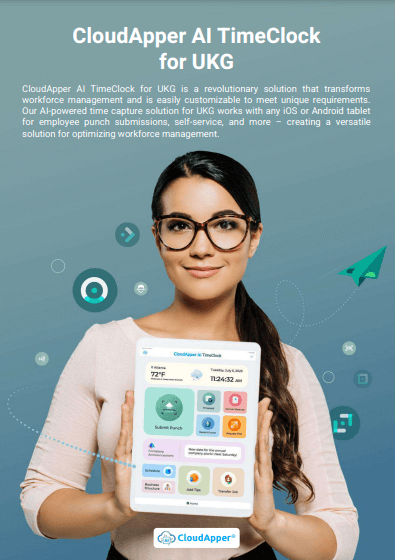
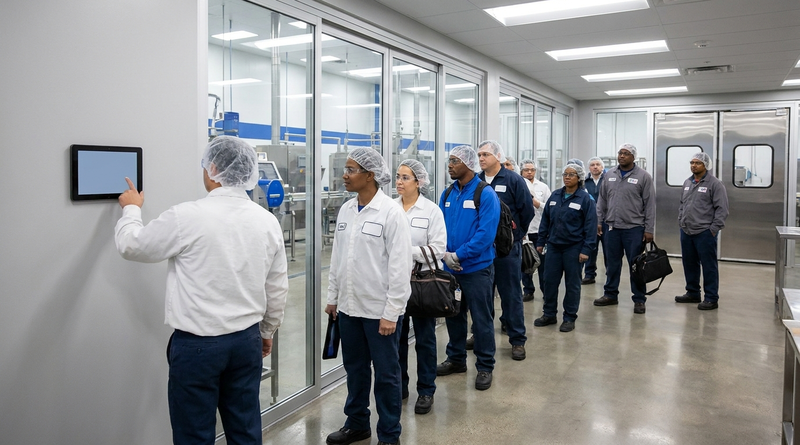
An attestation is only as defensible as the employee's understanding of the question. Learn how UKG Pro WFM and UKG Ready handle languages, where custom prompts fall short, and how CloudApper AI TimeClock delivers multilingual attestation on affordable tablets.
October 26, 2026
California Seventh Consecutive Day Overtime in UKG: Flagging It at Clock-In
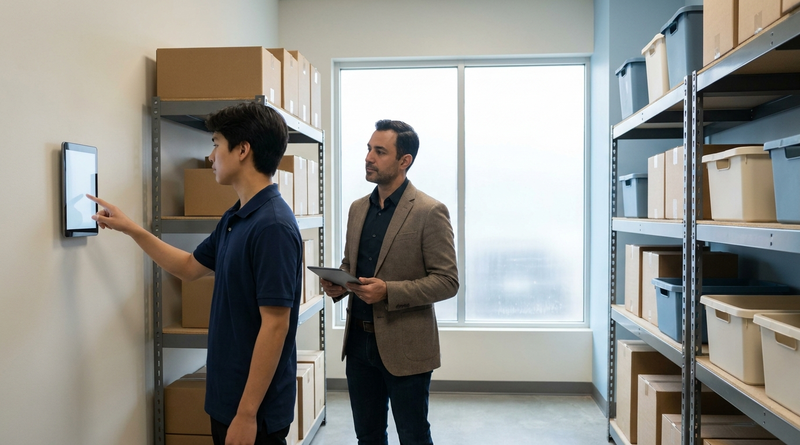
California pays premium rates on the seventh consecutive workday in a workweek, even when total hours stay at 40. Learn how UKG Pro WFM and UKG Ready calculate it, why the cost decision happens before the punch, and how CloudApper AI TimeClock flags it at clock-in.
October 23, 2026
New York Spread of Hours Pay in UKG: Catching the 10-Hour Span Before Payroll Does
New York owes an extra hour of pay when a workday spans more than 10 hours or includes a split shift. Learn how UKG Pro WFM and UKG Ready calculate the premium, why missed split-shift punches hide it, and how CloudApper AI TimeClock keeps punches accurate on affordable tablets.
October 22, 2026
Illinois One Day Rest in Seven Act: Configuring UKG for Meal and Seventh-Day Rest Rules
Since 2023, Illinois requires 24 hours of rest in every rolling seven-day period and earlier, more frequent meal periods. Learn how UKG Pro WFM and UKG Ready can enforce ODRISA rules, and how CloudApper AI TimeClock adds seventh-day and meal checks on an affordable tablet.