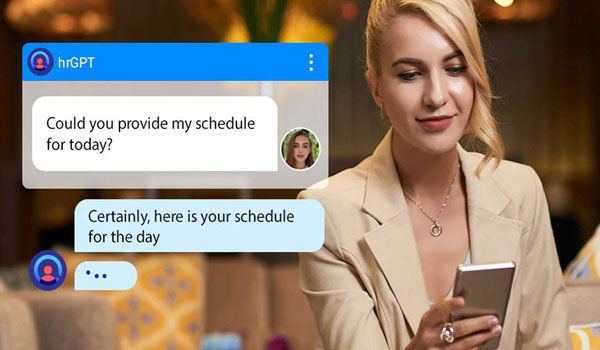

Return-to-office transitions are more than policy changes—they test operations, communication, and employee experience at the same time. This article explores how HR leaders can use UKG time and attendance data as a real-time early-warning system to spot RTO friction early, reduce disruption, and improve frontline self-service with CloudApper hrPad.




Table of Contents
Return-to-office (RTO) transitions are rarely just a policy change. For HR leaders, they’re an operational change, a communications challenge, and a workforce experience test happening all at once.
What makes this moment different is that many HR teams already have a reliable way to understand how the change is landing—without guessing or relying solely on surveys: time-and-attendance signals. When organizations use UKG, those signals are often available in a structured, consistent way because time data reflects real workforce behavior: when people show up, how schedules hold, and where exceptions increase.
UKG publishes its Workforce Activity Report using time punch and payroll data at scale, which underscores an important point for HR: time data is one of the most practical “ground truth” lenses you can use to understand workforce patterns in real time.
This article isn’t about “catching” employees doing the wrong thing. It’s about spotting friction early so HR can reduce disruption, improve the employee experience, and keep managers from drowning in manual work.
Why UKG time data is a practical early-warning system for HR
In my experience, the most useful HR insights aren’t always buried in long reports. They’re often visible as small pattern shifts that repeat week after week.
Time and attendance data is uniquely helpful because:
- It updates continuously
- It’s rooted in operational reality
- It connects directly to scheduling, payroll accuracy, compliance, and labor cost controls
- It highlights where employees and managers are spending extra effort to “make work happen.”
If you’re managing an RTO transition, this matters. Not because attendance itself is the goal—but because attendance friction often reveals where policies, schedules, commutes, and personal constraints aren’t aligning.
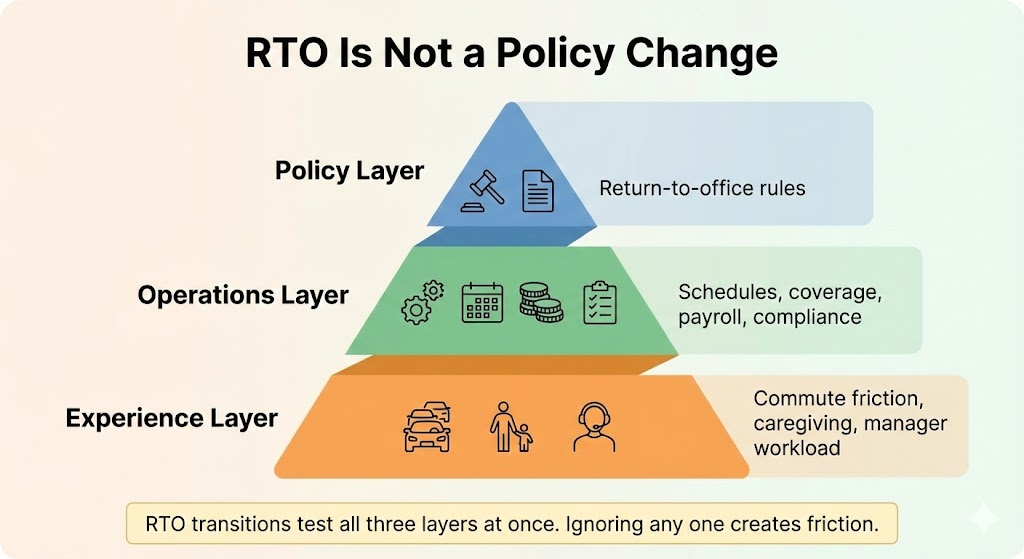
And UKG time and scheduling capabilities are designed to help organizations manage real-world complexity: visibility into time events, exceptions, and labor patterns, plus reporting that can support better decisions across sites and teams.
What “RTO friction” looks like inside time and attendance patterns
RTO adjustments don’t always show up as dramatic changes. More often, they show up as manageable “micro-frictions” that quietly accumulate.
Here are the patterns HR teams should watch—not as a compliance exercise, but as a support and optimization exercise.
1) Exceptions increase (and managers spend more time fixing them)
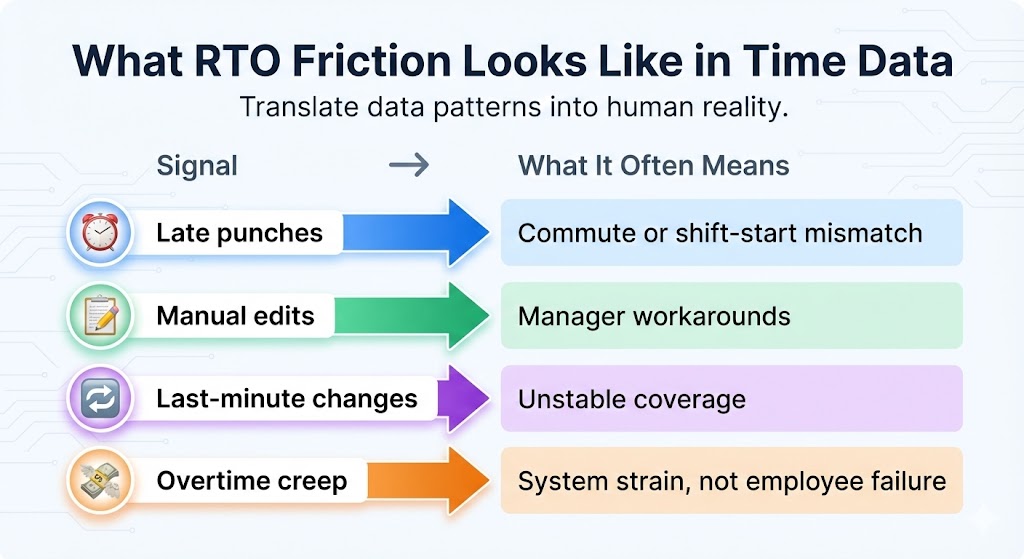
In any organization, exceptions happen. What you’re watching for during RTO is a trend—a steady rise in late punches, missed punches, meal/break irregularities, and manual edits.
That trend usually means one of three things:
- Employees are adjusting routines and commute realities
- Schedules need refinement to match operational constraints
- Managers are improvising to keep coverage stable
UKG reporting and dashboards can surface exceptions and hours trends in near real time, helping HR and operations identify where attention is needed before small problems become chronic ones.
2) Schedule adherence softens in specific pockets
A healthy schedule environment isn’t perfect—it’s consistent.
During RTO shifts, you may see patterns like:
- Consistent tardiness clusters around a specific shift start time
- More short-notice changes around certain days
- Higher variance across sites (one location stable, another struggling)
The value of seeing this in time data is that it helps HR ask better questions:
- Do shift start times align with transit/parking reality?
- Are we allowing enough buffer for high-volume entry points?
- Are certain teams absorbing more change than others?
Those questions improve operations, and they also protect employee experience.
3) Overtime and “coverage cost” creep up
RTO friction often creates a second-order effect: coverage cost.
If attendance patterns change slightly, the business often compensates with overtime, extra shift coverage, or last-minute staffing decisions. That doesn’t mean the workforce is failing. It means the system needs tuning.
As HR leaders, we should treat overtime trend changes as a signal to review:
- Staffing assumptions
- Shift design
- Absence handling workflows
- Communication cadence during transitions
4) PTO behavior changes (but not always how leaders expect)
One of the easiest mistakes to make during RTO transitions is to interpret PTO behavior simplistically.
Some employees will use PTO more predictably to manage commuting days or caregiving needs. Others will “hold” PTO and absorb stress until it becomes a bigger issue later.
The lesson: PTO trends are most useful when paired with context:
- Are managers getting a surge of questions about balances and approvals?
- Are employees unsure about policy details?
- Are we seeing more last-minute requests that create coverage gaps?
If the answer is yes, the solution is often not stricter rules. It’s clearer workflows and better self-service.
The leadership approach
When HR uses workforce data well, it’s one of the best trust-building tools we have—because it turns vague complaints into specific fixes.
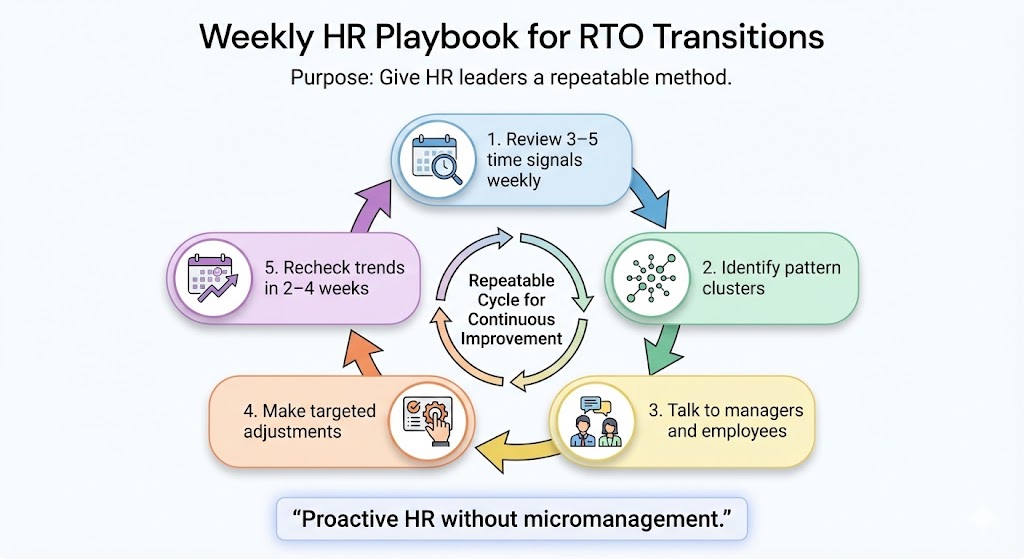
A practical method I’ve seen work is:
- Choose a small set of indicators (exceptions, overtime, schedule adherence, unscheduled absence clusters)
- Review weekly with operations and HRBPs
- Identify the “why” through manager conversations and employee listening moments
- implement targeted improvements (shift timing tweaks, clearer policy guidance, easier self-service)
- Re-check trends two to four weeks later
This is how HR stays proactive without becoming intrusive.
Where CloudApper hrPad fits for UKG environments
Many RTO discussions focus on knowledge workers. But for frontline teams—retail, manufacturing, healthcare, hospitality, logistics—the day-to-day experience often depends on how easy it is to get help, complete time actions correctly, and find answers without waiting.
That’s where CloudApper hrPad supports UKG environments naturally.
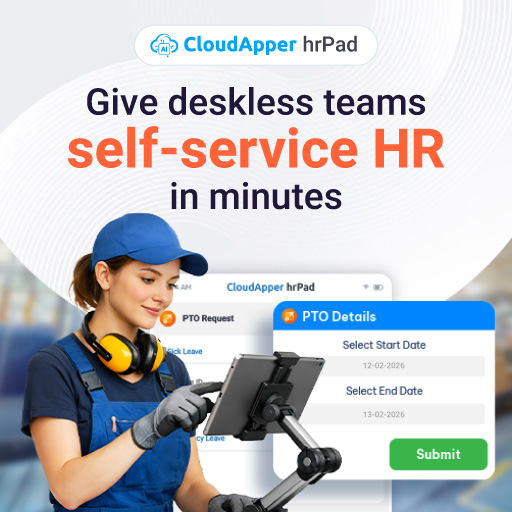
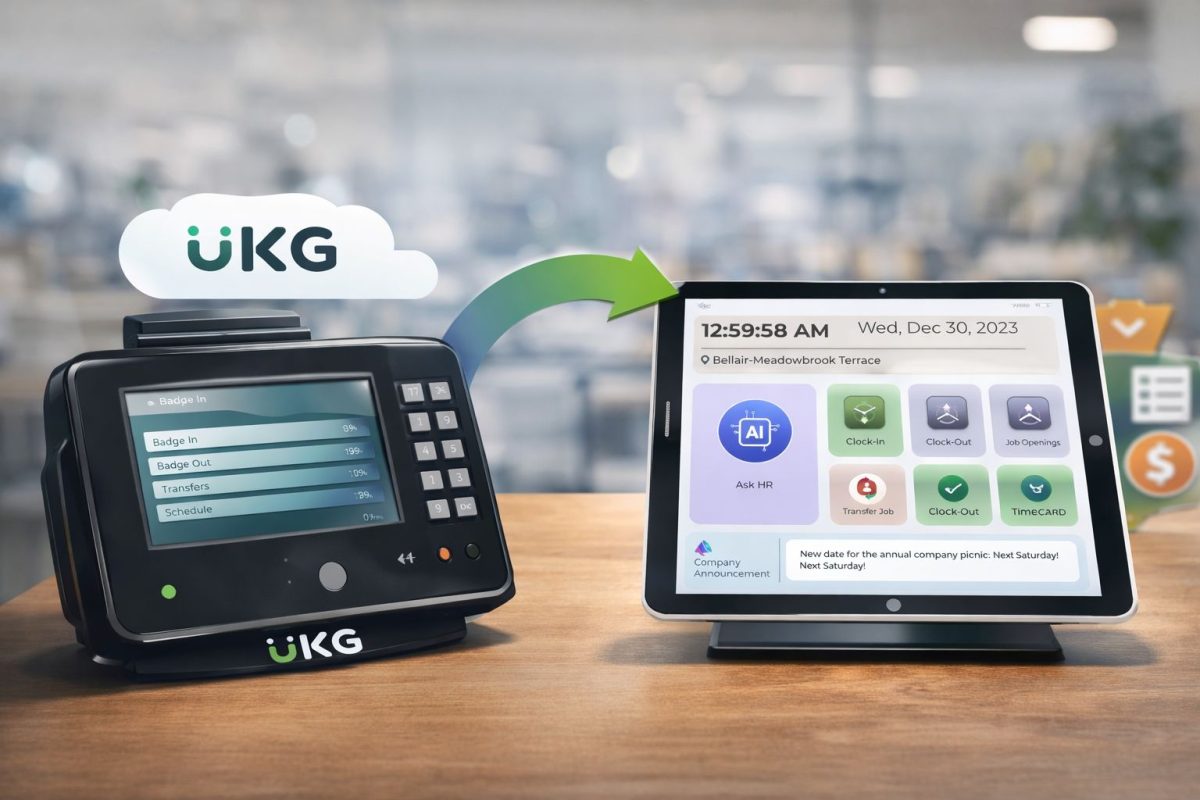
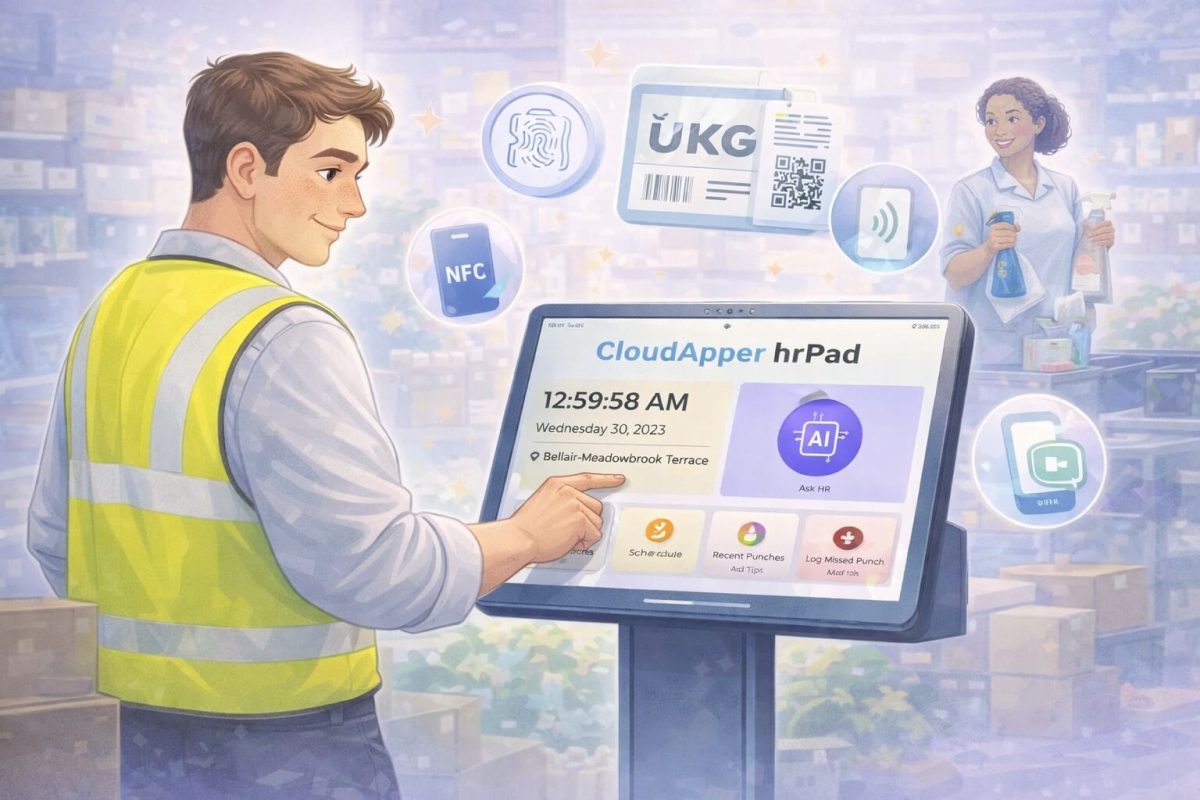
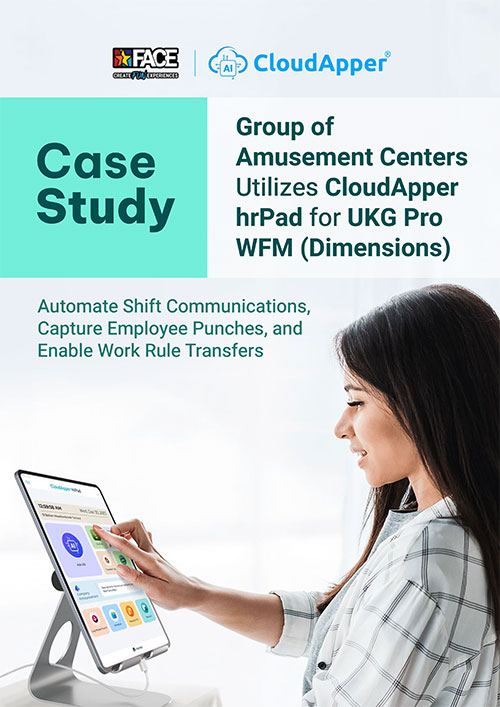
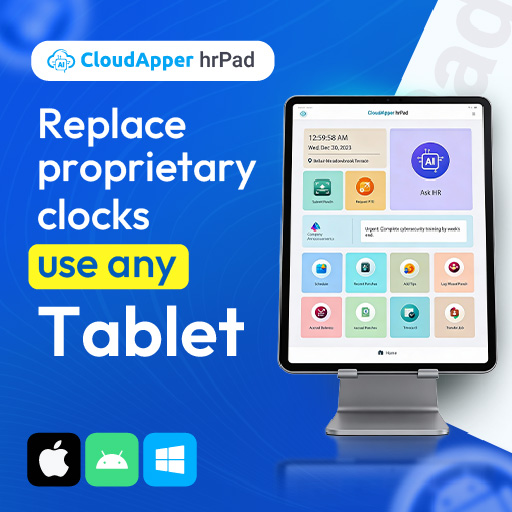
hrPad is an employee self-service kiosk that runs on standard tablets and provides a streamlined experience for workforce actions and HR service delivery. It’s designed to complement systems like UKG by improving accessibility for employees who don’t sit at a desk all day.
With hrPad, organizations can:
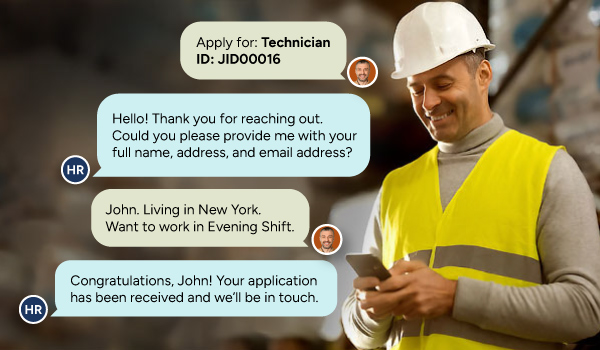
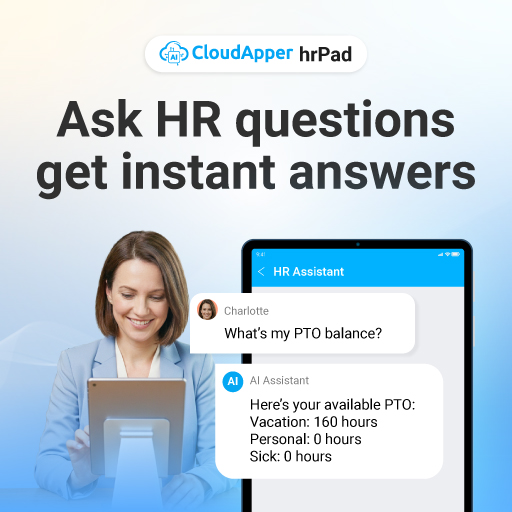
- Provide a 24/7 AI assistant to answer repetitive HR questions based on company policy
- Support PTO and accrual visibility and requests through a kiosk-friendly workflow
- Enable shift actions and self-service tools that reduce manager back-and-forth
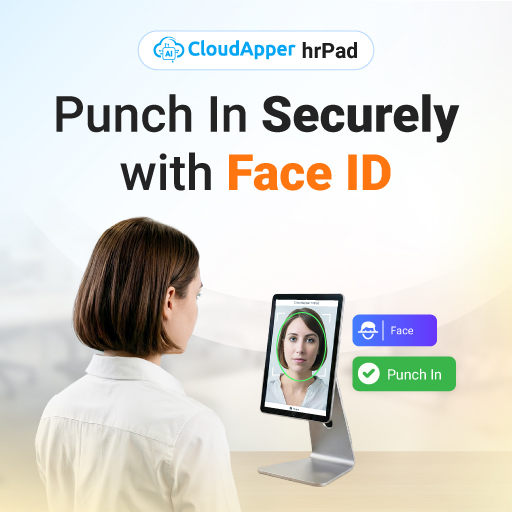
- Simplify time capture with options like touchless Face ID check-in and other methods depending on configuration
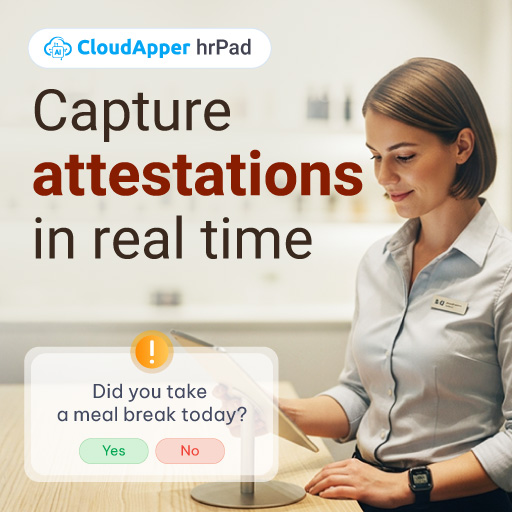
- Capture custom data (attestations, acknowledgements, job-specific forms) right at the point of work
The strategic value during RTO transitions is simple: reduce friction where friction actually happens—at the workplace entry point, at the start of shifts, and in the moments when employees need answers quickly.
When HR reduces friction, time patterns improve naturally:
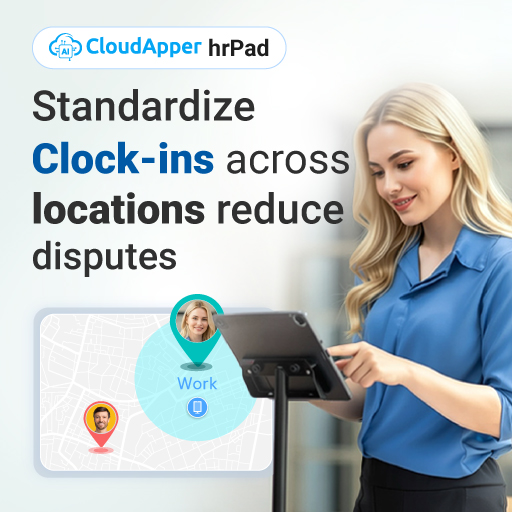
- fewer missed punches
- fewer manual corrections
- fewer repetitive questions clogging HR inboxes
- smoother PTO handling
- more consistent schedule execution
And importantly, this positioning stays aligned with partnership reality: UKG remains the system of record, while hrPad strengthens the experience layer for employee self-service and HR service delivery.
What HR can do this quarter to get ahead of RTO friction
If you want a practical plan that respects employees and supports operations, here’s what I’d prioritize.
Start by identifying which time signals you will treat as “experience indicators,” not compliance indicators:
- exception rate trends by site/team
- overtime used for coverage
- missed punch frequency and edit volume
- schedule adherence variance across managers
- spikes in policy-related questions (especially PTO and attendance)
Then apply two improvements in parallel:
Operational tuning: adjust the system so schedules and policies are workable in real conditions.
Service delivery tuning: reduce HR bottlenecks through better self-service, faster answers, and clearer workflows.
That combination is where outcomes change.
Closing perspective: the best HR teams use data to protect people and performance
RTO transitions don’t have to become culture wars or compliance battles. When HR uses data responsibly, we can:
- reduce payroll and timekeeping friction
- protect managers from constant manual fixes
- help employees navigate change with clarity and support
- keep operations stable while maintaining trust
UKG time data gives HR a credible, real-time view of what’s happening across teams. CloudApper hrPad helps convert that visibility into a better frontline experience by making HR help and self-service available where employees actually are.
If you’re navigating RTO changes right now, the goal isn’t to watch employees more closely. The goal is to remove friction faster—and time data is often the most reliable place to start.