Frontline industries face staggering turnover—64% on average in recent years —costing millions annually. Traditional retention strategies fail hourly workers. Learn how integrated workforce technology, flexible scheduling, transparent pay, and recognition programs can halve turnover and boost employee satisfaction.



Table of Contents
Frontline turnover costs $5,864 per employee. Here’s how to cut it in half.
The Frontline Retention Crisis Nobody’s Talking About
While corporate headquarters debates hybrid work policies, frontline businesses face a different reality: a revolving door of hourly employees that’s bleeding budgets dry.
The numbers are staggering. Frontline industries experienced an average turnover rate of 64% in recent years —more than double the rate for salaried positions. For a company with 500 frontline workers, that’s 320 employees walking out the door annually. At $5,864 per replacement (accounting for recruiting, training, productivity loss, and overtime coverage), you’re looking at $1.87 million in preventable costs.
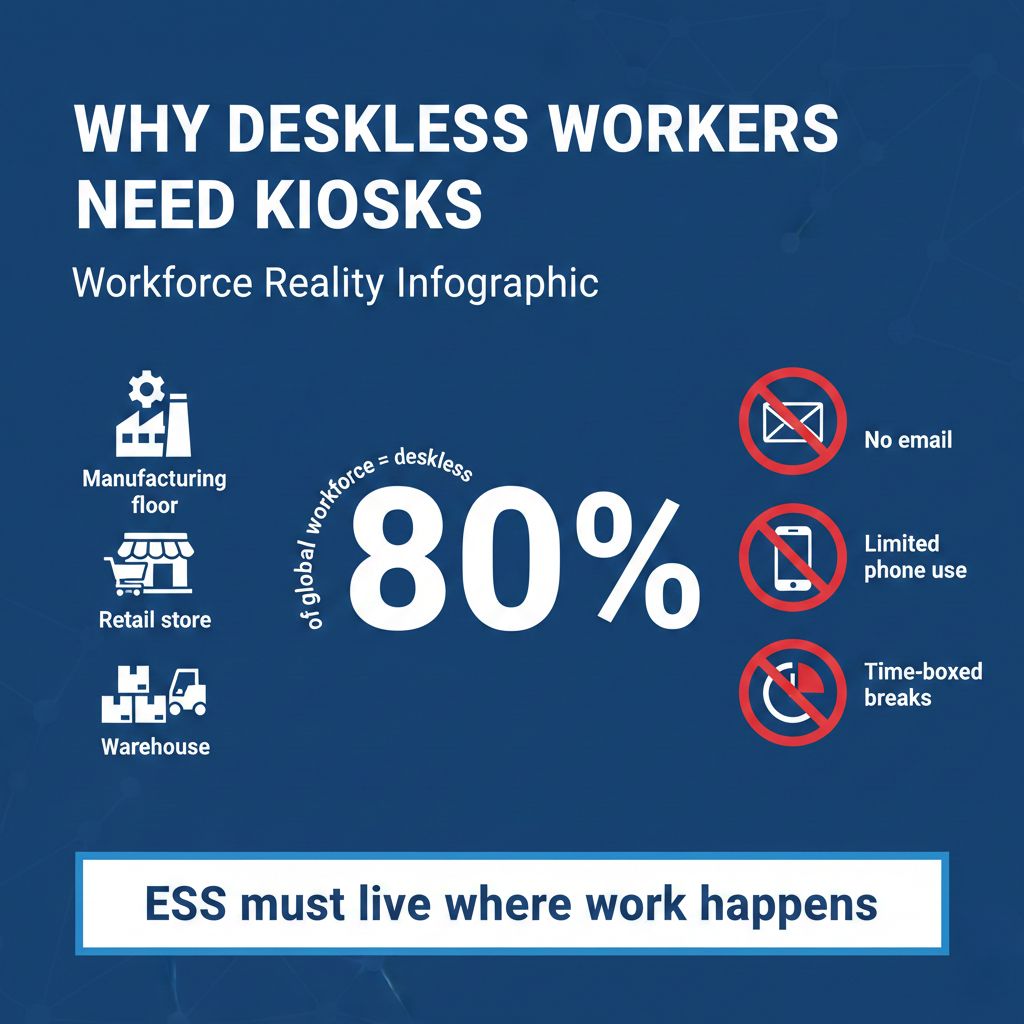
Yet most retention strategies fail because they’re designed for office workers, not the people working retail floors, warehouse aisles, hospital wings, or manufacturing lines.
The good news? Forward-thinking organizations using modern workforce technology—integrated solutions like CloudApper hrPad with UKG—are cutting turnover by 40-50%. Here’s their playbook.
Why Traditional Retention Strategies Fail for Hourly Workers
Before we dive into what works, let’s address what doesn’t:
❌ Annual engagement surveys – By the time you analyze results, half your frontline staff has already quit.
❌ Office perks – Free snacks and ping pong tables mean nothing to workers who clock in at 5 AM and never see the corporate office.
❌ Career development programs – When you’re struggling to pay rent, vague promises about “leadership tracks” don’t move the needle.
❌ Exit interviews – You’re gathering data after the damage is done, when prevention should be the focus.
Frontline workers need immediate, tangible improvements to their daily work experience—not corporate initiatives rolled out in quarterly town halls they can’t attend.
The 17 Retention Strategies That Actually Work
Category 1: Technology & Access (The Foundation)
- Eliminate the Technology Gap
Your corporate employees have laptops, smartphones, and instant access to everything. Your frontline workers? They’re checking paper schedules posted on break room walls.
This inequity screams, “You matter less.”
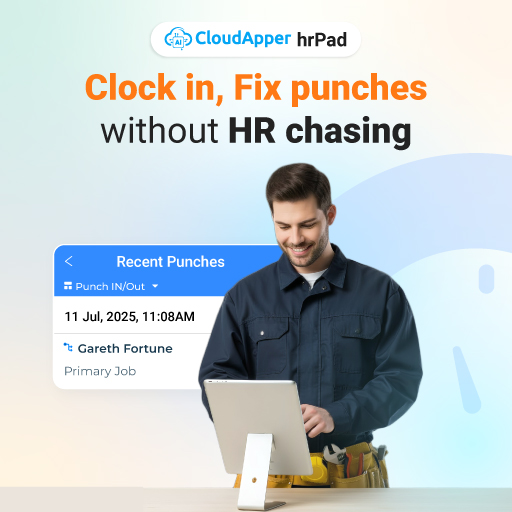
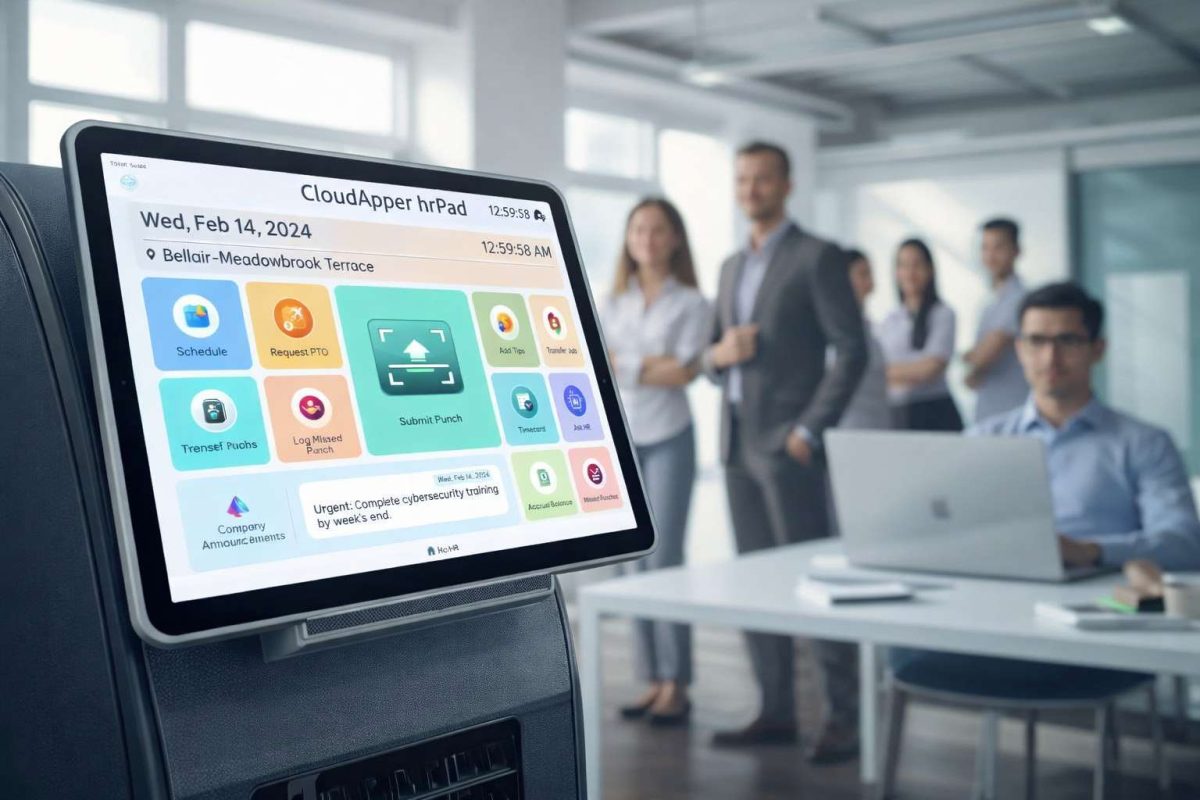
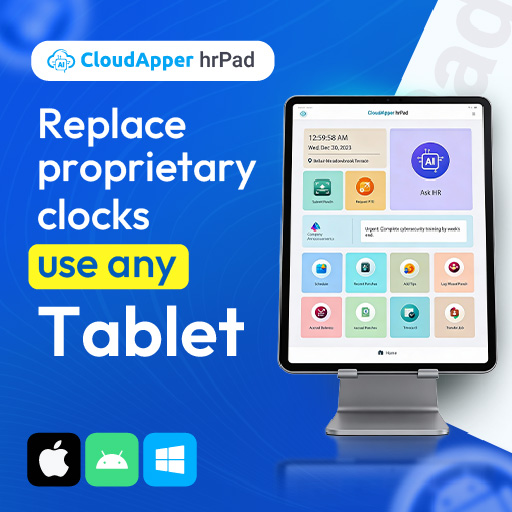
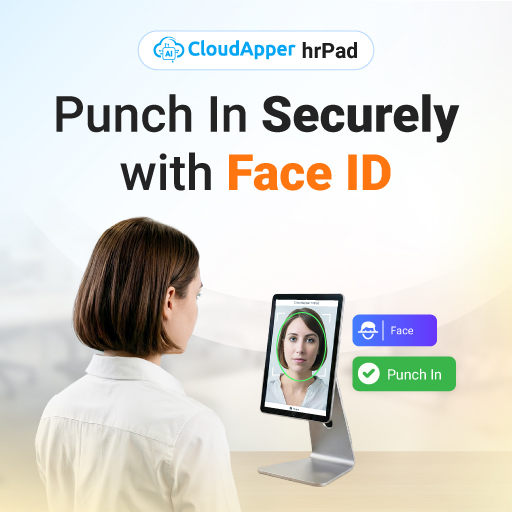
Solution: Deploy self-service kiosks like CloudApper hrPad that give frontline workers the same digital empowerment as office staff. When employees can check schedules, request time off, view pay stubs, and manage their work life from a tablet in their workspace, you’re sending a powerful message: You’re just as important.
Data backs this up: Companies implementing comprehensive self-service technology see 23% improvement in employee satisfaction scores and 31% reduction in voluntary turnover within the first year.
- Make Information Access Instant
Frontline workers shouldn’t need to hunt down a manager, submit paper forms, or wait days for simple answers.
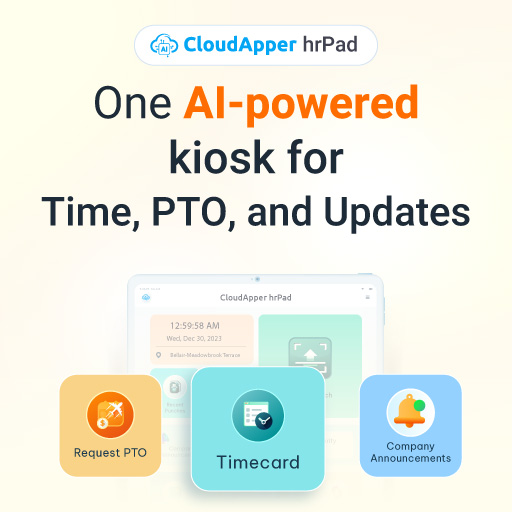
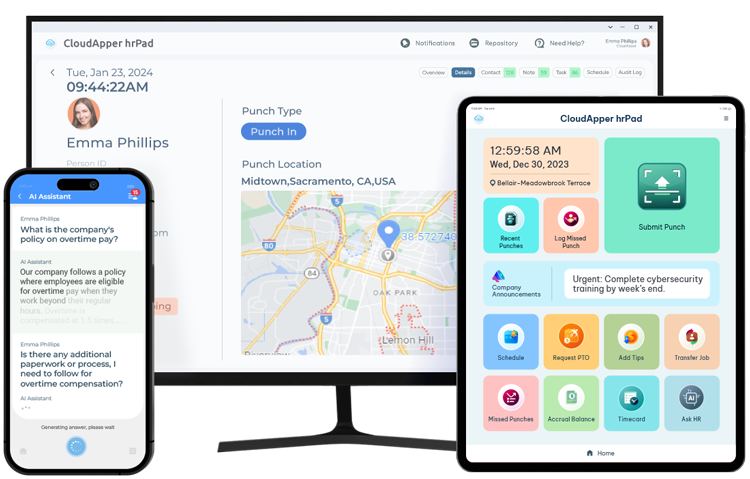
With hrPad integrated into UKG, employees get instant access to:
- Real-time schedule information
- PTO balances and accrual rates
- Attendance points and performance data
- Pay history and tax documents
- Company policies and announcements
- Training materials and certifications
When employees control their information, they feel empowered, not infantilized.
- Enable Mobile-First Communication
Frontline employees don’t check email. They live on their phones.
Smart organizations use hrPad’s SMS notification capabilities integrated with UKG to push critical information directly to employees:
- “Your schedule for next week is ready”
- “Open shift available Saturday—claim it now”
- “Your PTO request was approved”
- “Reminder: Training certification expires in 7 days”
Open rates for SMS notifications exceed 95%, compared to 20-30% for email among hourly workers.
Category 2: Scheduling & Flexibility (The Game-Changer)
Poor scheduling is the #1 reason frontline workers quit. Let’s fix it.
- Implement Self-Service Schedule Bidding
Top performers hate being treated like interchangeable parts. Give them control.
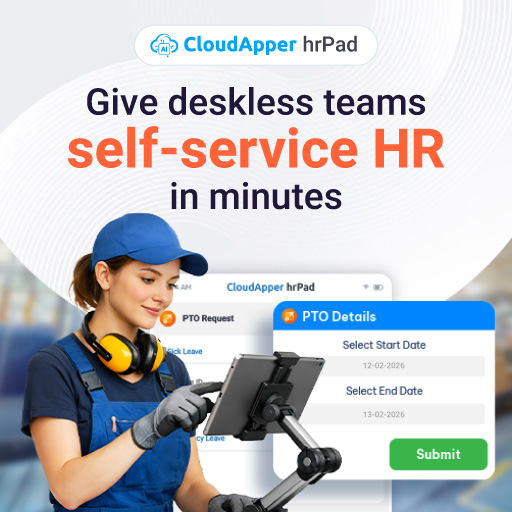
CloudApper hrPad’s shift bidding solution integrated with UKG allows employees to:
- View available shifts and bid on preferred times
- Swap shifts with qualified coworkers (with manager approval rules)
- Set scheduling preferences that the system honors
- Block out unavailable dates without awkward conversations
One retail chain implementing shift bidding saw voluntary turnover drop from 68% to 41% in six months. Why? Because respecting employees’ lives outside work shows you value them as humans, not just labor units.
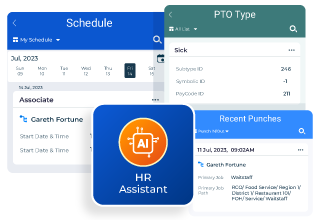
- Provide Consistent Schedule Advance Notice
Publishing schedules 3 days in advance makes it impossible for employees to plan childcare, education, or second jobs. It’s a retention killer.
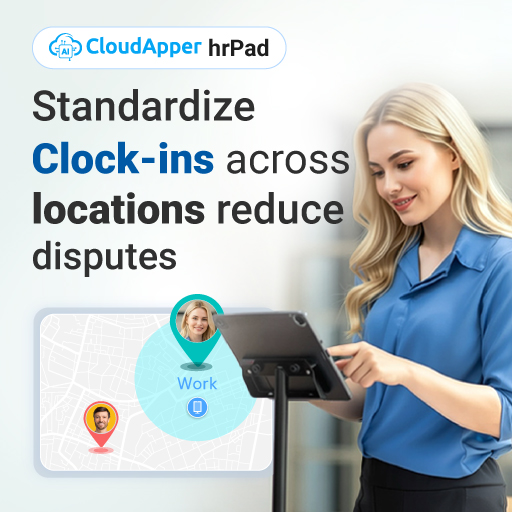
Best practice: Use UKG’s AI-powered scheduling with hrPad to publish schedules 2-3 weeks in advance. When last-minute changes are unavoidable, the system instantly notifies affected employees via SMS and offers shift-swap options before you resort to mandatory callins.
- Honor Time-Off Requests Fairly
Nothing breeds resentment faster than inconsistent PTO approvals.
hrPad’s integration with UKG creates transparent, first-come-first-served PTO management. Employees submit requests through the kiosk, see their queue position, and get instant approval for non-conflicting dates. The system prevents favoritism and gives everyone equal access to time off.
- Enable Flexible Shift Selection
Not everyone wants a fixed schedule. Parents, students, and those with multiple jobs need flexibility.
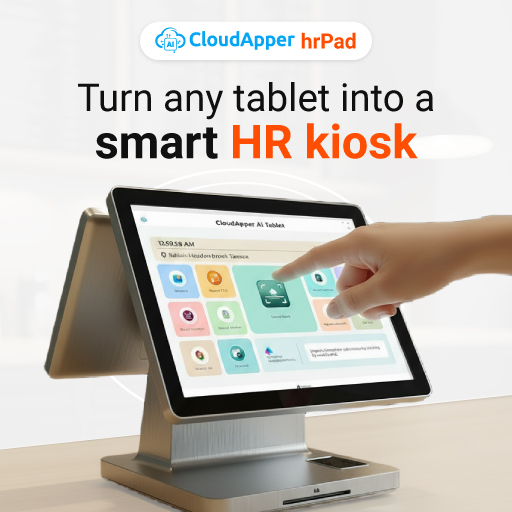
Allow employees to opt into flex pools where they pick up shifts that fit their availability. hrPad makes this seamless—employees check available shifts on the kiosk during breaks and claim them with a tap. UKG tracks hours and ensures labor law compliance automatically.
Category 3: Recognition & Communication (The Human Touch)
- Recognize Achievements at the Point of Work
Don’t wait for annual reviews to acknowledge great work.
Use hrPad kiosks as recognition hubs:
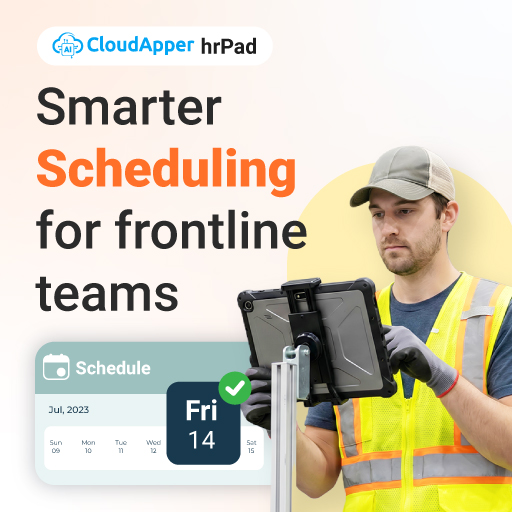
- Display “Employee of the Week” with photos on the home screen
- Show milestone celebrations (work anniversaries, perfect attendance)
- Enable peer-to-peer recognition submissions
- Push congratulatory messages when employees clock in
Recognition that happens where work happens has 3x the impact of corporate emails employees never see.
- Create Real-Time Feedback Loops
Frontline workers rarely get meaningful feedback. They hear about problems but not successes.
Configure hrPad to deliver micro-feedback notifications:
- “Great job on closing efficiency yesterday—45 seconds faster than average!”
- “You’re #3 in the warehouse for picking accuracy this week”
- “Five customers mentioned you by name in surveys this month”
When UKG data flows into immediate, positive reinforcement, engagement skyrockets.
- Make Communication Two-Way
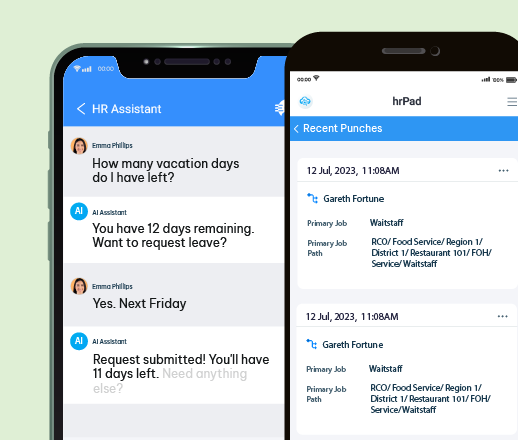
Stop broadcasting. Start conversing.
Use hrPad’s anonymous feedback feature to let employees flag issues without fear:
- Safety concerns
- Equipment problems
- Scheduling conflicts
- Workplace issues
When employees see their feedback leads to action, trust builds. Trust drives retention.
- Send Personalized, Relevant Messages
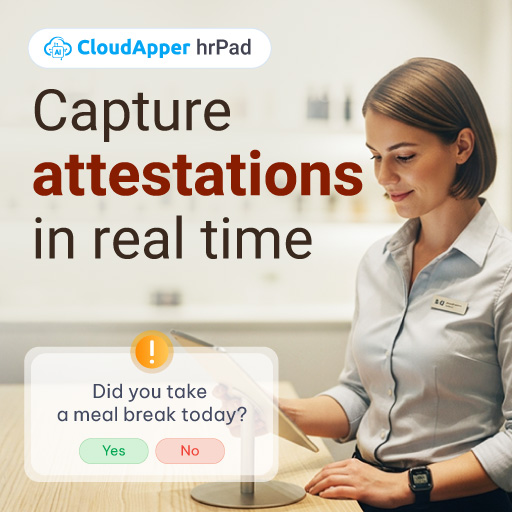
Generic company announcements don’t resonate with frontline workers juggling multiple challenges.
hrPad’s notification system integrates with UKG data to send personalized messages:
- “Your benefits enrollment window closes in 3 days”
- “You’re 2 hours from overtime threshold this week”
- “You’ve earned $50 in referral bonuses—claim in your next paycheck”
Relevance = engagement.
Category 4: Compensation & Benefits (Show Them the Money)
- Provide Transparent Pay Information
Frontline workers shouldn’t need to decipher pay stubs or wonder if they were paid correctly.
HrPad displays clear, visual pay information:
- Detailed pay breakdowns (regular, overtime, differentials)
- Year-to-date earnings
- Projection for next paycheck based on scheduled hours
- Comparison to previous periods
Transparency builds trust. Hidden or confusing pay breeds suspicion and turnover.
- Highlight Total Compensation
Most frontline workers undervalue their benefits because they don’t understand them.
Use hrPad to show total compensation value:
- “Your hourly rate: $18.50”
- “Plus benefits worth: $4.75/hour”
- “Your actual compensation: $23.25/hour”
When employees see the full picture, perceived pay increases without spending a dollar more.
- Enable Earned Wage Access
Financial stress is a top turnover driver. Employees work a week but wait two more for payment—then turn to predatory payday loans.
Integrate earned wage access through hrPad, allowing employees to access a portion of earned wages between paydays. This reduces financial stress and positions you as an employer who understands real-world challenges.
- Create Referral Programs That Actually Pay
Your best recruiters are your current employees—if you incentivize them properly.
Use hrPad to manage referral programs:
- Employees submit referrals through the kiosk
- Track referral status in real-time
- Automatically issue bonuses when milestones hit (hire, 90-day retention)
- Display leaderboard of top referrers
One manufacturing company filled 80% of openings through employee referrals after implementing kiosk-based tracking, cutting recruiting costs 64%.
Category 5: Career Development & Growth
- Make Training Accessible and Trackable
Frontline workers want to grow but lack time and access.
Deploy training modules through hrPad that employees complete during downtime:
- 5-10 minute microlearning videos
- Skills assessments and certifications
- Cross-training opportunities
- Career pathway visualizations
When UKG tracks completions and hrPad makes content accessible at the point of work, completion rates jump from 30% to 85%.
- Create Visible Career Pathways
“What’s next for me here?” should have a clear answer.
Use hrPad to display:
- Career ladders with requirements for each level
- Skills gaps for next promotion
- Available internal positions
- Success stories of promoted employees
When frontline workers see a future, they’re 3.2x more likely to stay.
Survey Questions to Diagnose Your Retention Issues
Deploy these quarterly through hrPad kiosks for anonymous, real-time feedback:
Technology & Access:
- “I can easily access my schedule and pay information” (1-5 scale)
- “I receive important work updates in a timely manner” (1-5 scale)
Scheduling & Flexibility: 3. “My schedule allows me to balance work and personal life” (1-5 scale) 4. “I have enough control over when I work” (1-5 scale)
Recognition & Communication: 5. “I feel recognized for my contributions” (1-5 scale) 6. “I can share concerns without fear” (1-5 scale)
Compensation & Benefits: 7. “I understand my total compensation package” (1-5 scale) 8. “I’m paid fairly for my work” (1-5 scale)
Career Development: 9. “I see a clear path to grow in this company” (1-5 scale) 10. “I have access to training and development” (1-5 scale)
Retention Intent: 11. “I plan to be working here one year from now” (Yes/No/Unsure) 12. “I would recommend this company to friends seeking work” (Yes/No/Unsure)
Scores below 3.5 indicate critical issues requiring immediate attention.
The Bottom Line: Technology Enables Everything Else
Notice a pattern? Nearly every strategy depends on accessible technology that meets employees where they work.
You can’t implement flexible scheduling without systems that make it easy. You can’t provide transparent information without platforms that deliver it. You can’t recognize achievements without tools that track and display them.
CloudAapper hrPad integrated with UKG isn’t just a kiosk—it’s the enablement layer that makes modern retention strategies possible for frontline workers.
Companies who invest in this foundation typically see:
- 40-50% reduction in voluntary turnover
- 31% improvement in employee satisfaction
- 64% decrease in HR administrative time
- 23% increase in schedule adherence
- 85%+ adoption rates within 30 days
The math is simple: Losing 320 employees annually at $5,864 each costs $1.87 million. Cut that in half with a $150,000 technology investment, and you’re saving $785,000 net—every single year.
Your frontline workers don’t need ping pong tables. They need respect, access, transparency, and control over their work lives.
Give them the tools to succeed. They’ll give you their loyalty in return.
Ready to transform your frontline retention? Contact us today.