Non-profit teams face burnout when breaks and PTO lack visibility. This article explains how better time tracking supports staff well-being, ensures fair PTO, improves trust, and strengthens UKG-based workforce management without disrupting existing systems.



Table of Contents
A few weeks ago, I was on a call with an HR leader from a mid-sized non-profit organization that relies heavily on grant-funded programs. Halfway through the conversation, she paused and said something that stuck with me. “Our people are exhausted, but I can’t always prove it on paper. Breaks are getting missed, PTO keeps getting postponed, and by the time we notice burnout, it’s already too late.” She was not talking about a lack of commitment. She was talking about visibility. Without clear Time Tracking for Non-Profit Organizations, her team struggled to spot overwork early, ensure fair PTO usage, and protect staff well-being while still meeting operational demands.
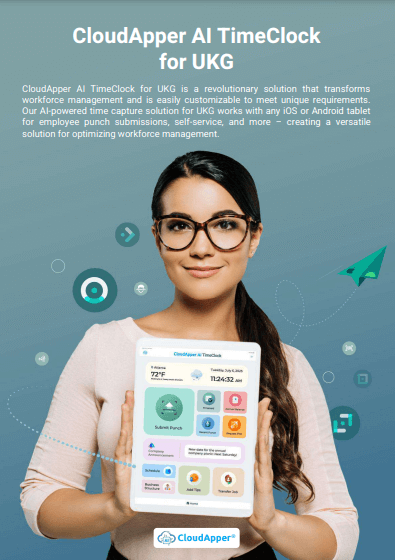
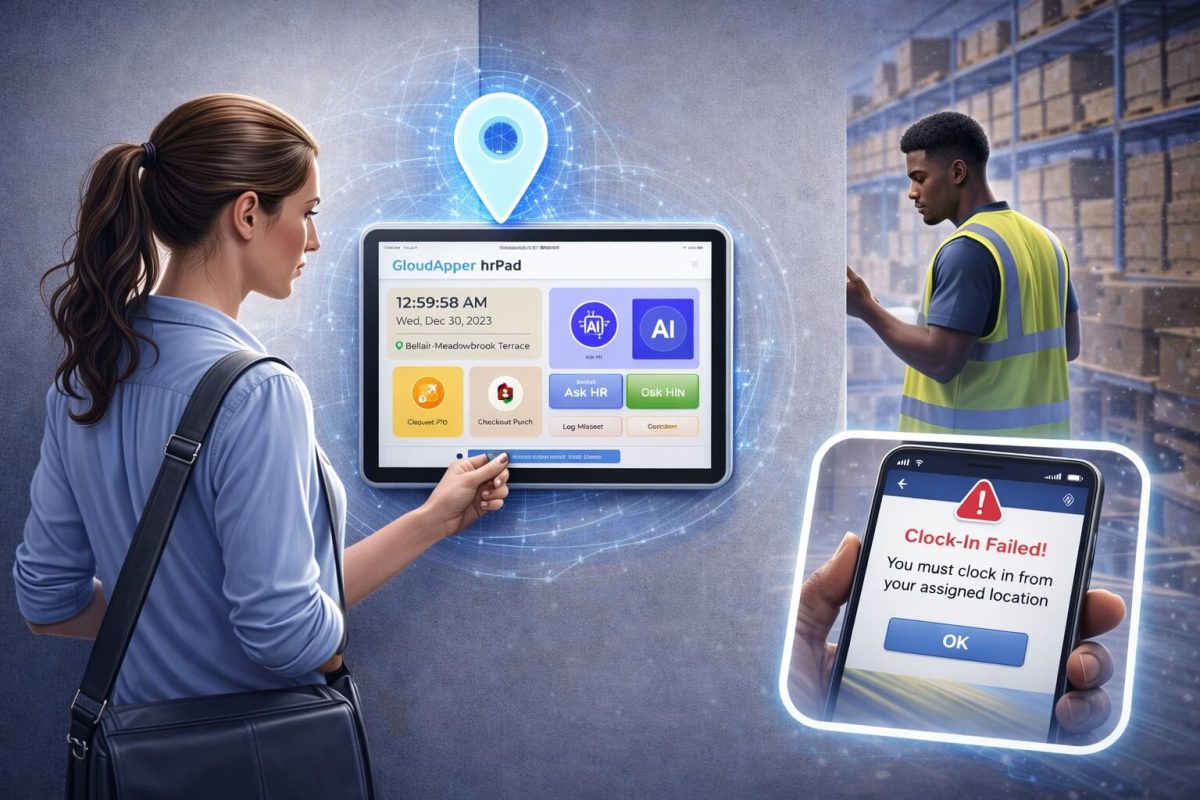
That is exactly where CloudApper AI TimeClock for UKG fits in. It works alongside UKG to make time tracking clearer, fairer, and easier for both employees and managers. By improving how breaks, PTO, and work hours are tracked inside the existing UKG environment, it helps non-profit teams address burnout before it becomes a retention problem. Instead of relying on manual checks or after-the-fact corrections, you gain real-time insight into work patterns while your staff gains confidence that their time and well-being are being handled fairly.
TL;DR
-
Burnout in non-profit organizations often starts with missed breaks and unclear PTO.
-
Accurate time tracking helps protect staff well-being and build trust.
-
Employees need clear visibility into their hours, breaks, and PTO balances.
-
Non-profits benefit most from time tracking that works seamlessly with UKG.
-
Better time tracking supports compliance without adding extra administrative work.
Why Time Tracking Is a Hidden Problem in Non-Profits
In most non-profit organizations, time tracking issues do not come from poor leadership or weak policies. They come from pressure. You are balancing limited funding, strict compliance requirements, and programs that cannot simply pause when staff are stretched thin.
When those pressures build up, time tracking becomes reactive instead of supportive.
Missed Breaks Become Normalized
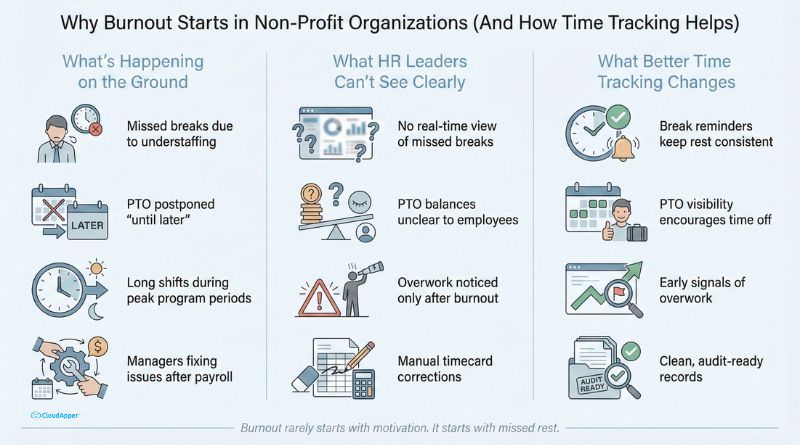
I have seen this across many non-profit teams. Someone skips a break because a client needs help. Another person stays late to cover a shift. Over time, missing breaks stop feeling like an exception.
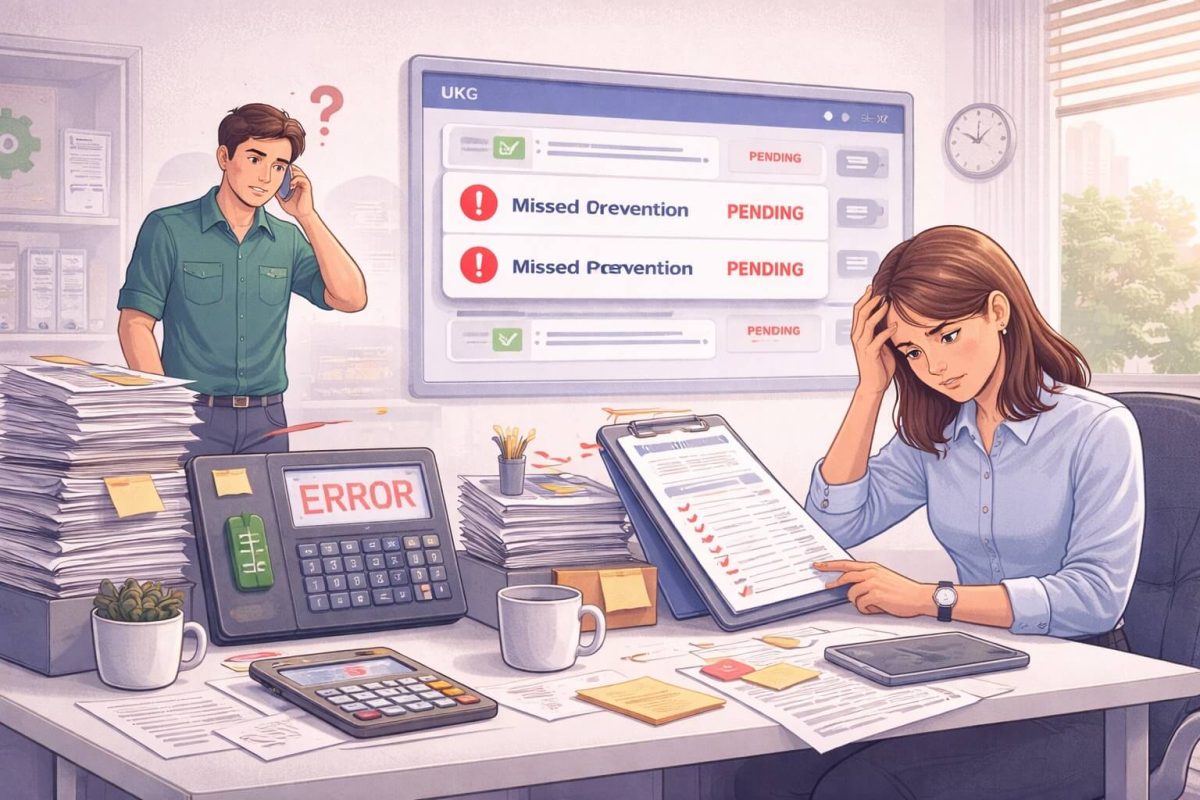
Managers often assume employees will speak up if they need rest. Most do not. They worry about letting the team down or falling behind. Without consistent tracking and reminders, missed breaks go unnoticed until burnout shows up as absenteeism or resignations.
PTO Feels Unclear or Risky to Use
PTO policies in non-profits are often tied to tenure, funding sources, or specific roles. Employees are not always sure how much time they have or whether taking time off will create scheduling problems.

When PTO balances are hard to access or understand, people delay taking time off. That delay adds up. What starts as a simple question about accrual turns into long-term exhaustion.
Payroll and Compliance Add Extra Stress
Payroll accuracy is critical in any organization, but non-profits face added pressure from audits, grant reporting, and compliance reviews. When time entries are inconsistent or corrected late, payroll teams scramble to reconcile records.
Employees feel that stress too. Even small payroll errors can damage trust, especially when people are already feeling stretched.
How Better Time Tracking Supports Staff Well-Being
Time tracking is often treated as a back-office task. In reality, it shapes how supported your employees feel every day.
Breaks That Actually Happen
When break rules are enforced consistently, employees feel allowed to step away. Automated reminders remove the need for managers to police breaks and remove the guilt employees often feel about taking them.
This simple change helps people recharge before exhaustion sets in.
Predictable and Accurate Pay
When time is tracked accurately, payroll becomes predictable. Employees know their hours are recorded correctly. That predictability reduces anxiety and builds trust in the organization.
For non-profits where pay stability matters deeply, this trust is not optional.
Clear PTO Visibility
When employees can see their PTO balance at any time, they plan better. They take time off earlier instead of waiting until they are overwhelmed. Managers can plan coverage with fewer surprises.
Clear visibility turns PTO into a benefit instead of a source of confusion.
Transparency Builds Confidence
Giving employees access to their own time records changes the conversation. Questions become quick clarifications instead of disputes. Transparency creates fairness, even when policies are strict.
When time tracking supports rest and clarity, staff well-being stops being reactive and becomes sustainable.
What Non-Profits Should Look for in a Time Tracking System
Not every time tracking system fits the realities of non-profit work. Based on hands-on experience with UKG users, a few capabilities matter most.
Break Enforcement That Supports People
You should not rely on memory or manual follow-ups to ensure breaks happen. The system should prompt employees at the right time and document compliance automatically.
Accurate and Visible PTO Accruals
Employees should be able to check PTO balances without contacting HR. Managers should trust that accruals are accurate without running complex reports.
Mobile-Friendly Access
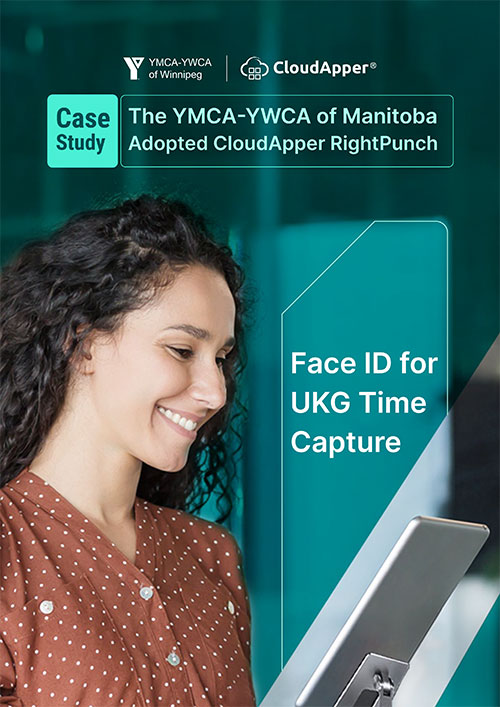
Many non-profit employees work in the field or across multiple locations. Time tracking must work smoothly on mobile devices without creating extra steps.
Audit-Ready Time Records
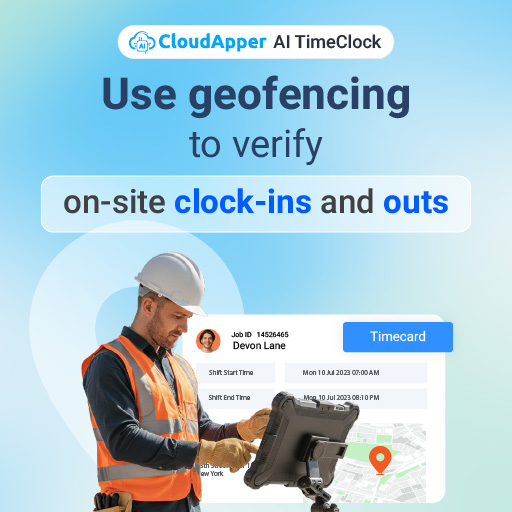
When audits or grant reviews happen, your time data should already be clean and organized. Good time tracking saves hours of backtracking later.
Seamless Integration With UKG
UKG remains your core workforce management system. Any enhancement should work with it, not around it, and should not disrupt payroll or HR workflows.
How CloudApper AI TimeClock Supports Non-Profits Using UKG
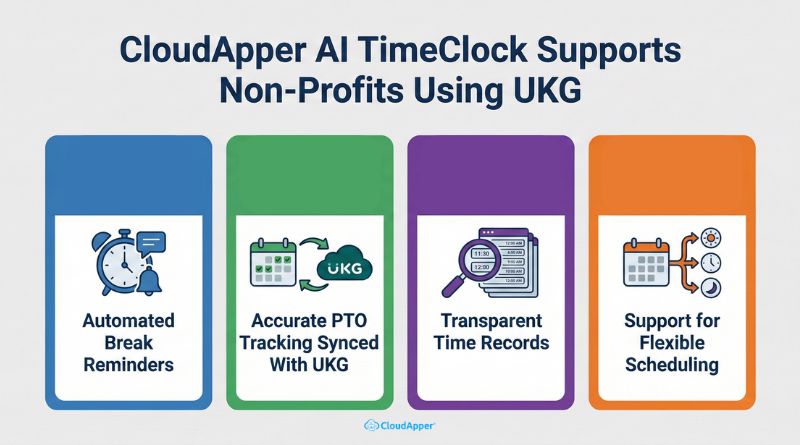
CloudApper AI TimeClock for UKG is designed as a partner solution. It strengthens how time tracking works inside your existing UKG setup without replacing it.
Automated Break Reminders
Employees receive reminders when break times approach. This helps ensure compliance while removing awkward conversations and manual monitoring.
Accurate PTO Tracking Synced With UKG
PTO accruals and balances are tracked consistently and reflected directly in UKG. Employees can view their available time off easily, which reduces confusion and support requests.
Transparent Time Records
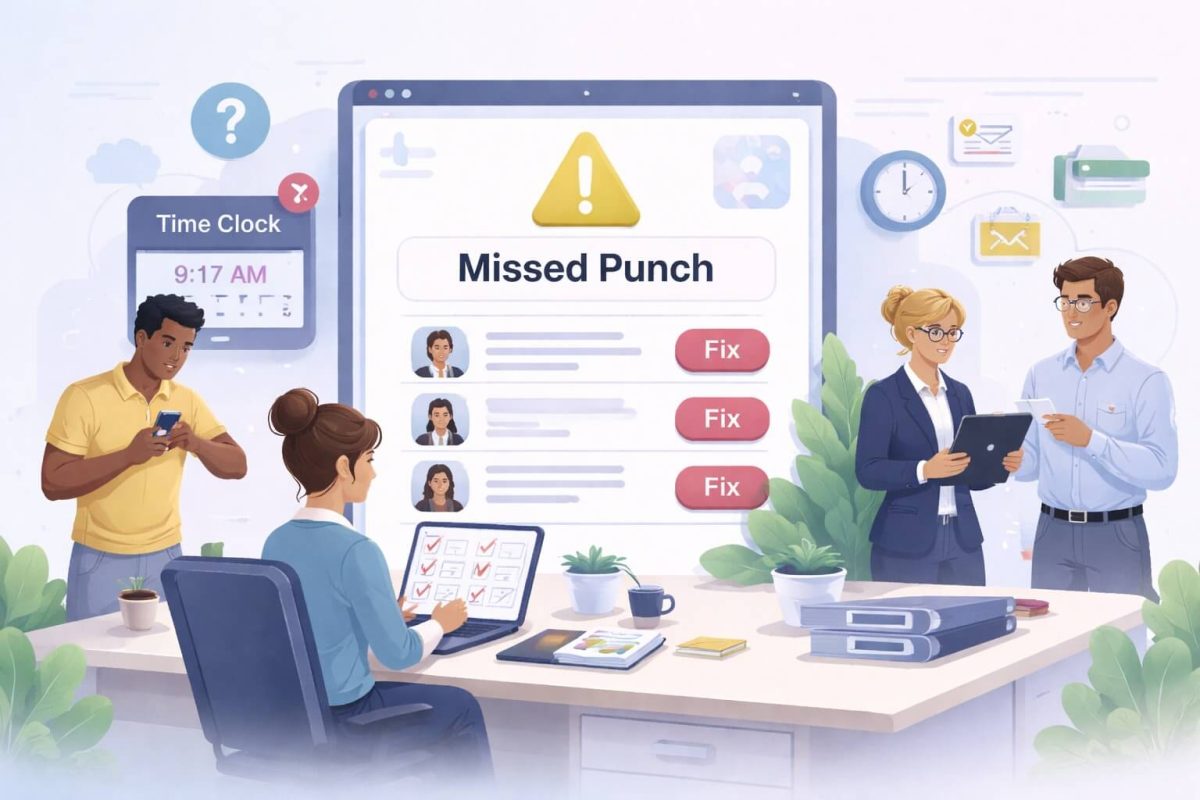
Employees can review their own time entries. Managers can spot issues early instead of fixing them after payroll closes. This keeps small issues from turning into major problems.
Support for Flexible Scheduling
For non-profits that offer flexible schedules, the system adapts without adding complexity. This helps support work-life balance while keeping records accurate.
Real-World Impact in Non-Profit Teams
One non-profit HR leader I worked with had been dealing with growing morale issues tied to missed breaks and unclear PTO. Managers were spending too much time fixing timecards. Employees felt tired and unheard.
After improving time tracking visibility and break enforcement, the shift was noticeable. Employees started taking breaks consistently. PTO requests became more predictable. Payroll questions dropped.
As the HR leader shared:
Implementing CloudApper AI TimeClock improved how our staff experience time tracking. Breaks and PTO became clear and consistent. Morale improved, and trust increased across the organization.
This was not about adding another tool. It was about fixing a daily experience that had been quietly hurting people.
Time Tracking as a Foundation for a Healthier Workplace
Non-profit organizations cannot afford to overlook staff well-being. The mission depends on people who are supported, rested, and treated fairly.
Time tracking for Non-Profit Organizations should do more than record hours. It should protect employees, support managers, and create trust across the organization.
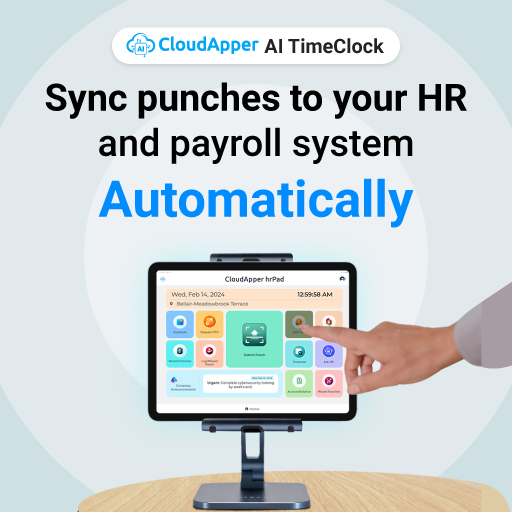
By strengthening your existing UKG environment with CloudApper AI TimeClock, you can reduce burnout, improve transparency, and create a healthier workplace without disrupting the systems you already rely on.
*Disclaimer: Due to privacy reasons, the identity of the person or company cannot be revealed.
When time tracking becomes fair and transparent, trust, retention, and well-being improve naturally.
Frequently Asked Questions
-
Why is time tracking important for non-profit organizations?
Time tracking helps non-profits prevent employee burnout, ensure fair breaks and PTO, maintain payroll accuracy, and stay compliant with labor regulations. -
What causes burnout in non-profit teams?
Burnout often comes from missed breaks, delayed PTO, understaffing, and limited visibility into actual work hours rather than lack of commitment. -
How does better time tracking support staff well-being?
Clear time records, break reminders, and PTO visibility help employees rest, plan time off, and feel confident their time is managed fairly. -
Can non-profits use time tracking without replacing UKG?
Yes. Partner solutions like CloudApper AI TimeClock work alongside UKG to enhance time tracking without changing existing payroll or HR workflows. -
What should non-profits look for in a time tracking system?
Key features include break enforcement, PTO transparency, mobile access, audit-ready records, and seamless integration with UKG.