Handling time off requests isn’t just an HR formality—it’s a documentation-heavy process that requires clarity and accuracy. CloudApper hrPad helps UKG Pro WFM (Dimensions) users streamline this by allowing employees to add attachments directly to their requests, improving transparency, compliance, and decision-making while reducing HR workload.



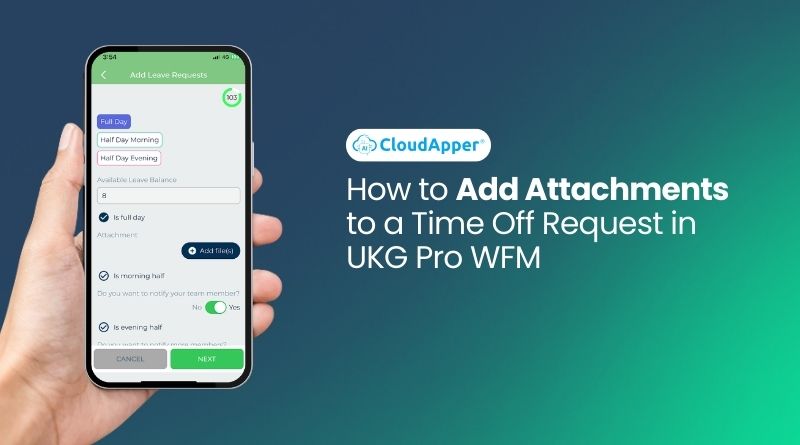
Table of Contents
- Real-world situations where attachments make a difference
- Benefits for HR, managers, and employees
- How hrPad supports a broader self-service and compliance strategy
- Best practices when enabling attachments for time off
Managing time off requests seems straightforward on paper, but in reality it is one of the most sensitive and documentation-heavy processes in HR. Employees want a smooth way to request leave and feel fairly treated. HR and managers, on the other hand, need clear proof, proper records, and an easy way to justify approvals or denials later.
When supporting a modern workforce, especially in industries like healthcare, manufacturing, logistics, or retail, “just a note in the comments field” often is not enough. Many organizations now require employees to upload supporting documents for specific types of absence, such as medical leave, bereavement leave, or extended unpaid time off. That is where having the ability to add attachments directly to a time off request becomes critical. For UKG Pro WFM (Dimensions) customers, CloudApper hrPad Employee Self-Service
Kiosk offers a practical way to do exactly that. It lets employees submit time off requests with attachments from a tablet or shared kiosk, while keeping everything synchronized with UKG Pro WFM. The result is better documentation, clearer decisions, and less back-and-forth for HR and managers.
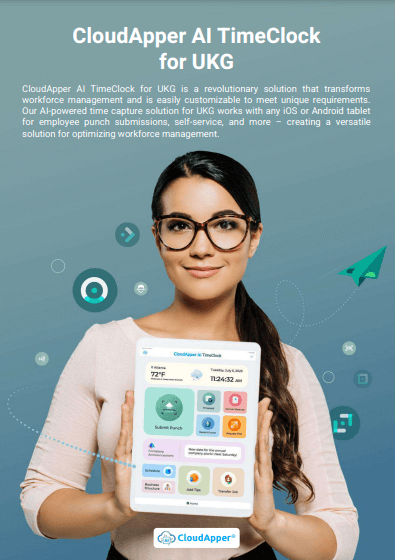
For more information on CloudApper AI TimeClock for UKG visit our page here.
- CloudApper hrPad enables employees to add attachments to time off requests, enhancing transparency and record-keeping.
- Adding attachments to time off requests improves organizational transparency and accountability, aiding in informed decision-making.
- Scenarios for adding attachments include medical leave, bereavement leave, educational leave, and significant family events.
- CloudApper hrPad offers additional benefits such as employee self-service, compliance tracking, and automated HR tasks.
- CloudApper hrPad simplifies timekeeping processes, reducing HR workload and improving employee satisfaction.
Why attachments for time off requests matter more than ever
Absences are not just a scheduling issue; they have a real financial and operational impact. In the U.S. alone, absenteeism is estimated to cost employers over $225.8 billion per year in lost productivity, which comes out to roughly $1,685 per employee annually. When leave processes are poorly documented, it becomes even harder to understand patterns, justify approvals, or handle disputes.
At the same time, HR teams are under pressure. Research shows that HR professionals spend a large portion of their time on administrative and compliance-related activities instead of strategic work. Studies highlight that HR teams frequently spend over half their time on repetitive tasks such as payroll, leave management, and documentation. Manual leave documentation only adds to this burden.

When employees can add attachments to time off requests at the point of submission, a lot of friction disappears. Managers see the full context right away. HR has an audit trail for future reference. Employees do not have to send separate emails, scan documents later, or worry that their information will get lost.
The documentation gap in traditional leave workflows
In many organizations, the process today still looks like this:
-
Employee submits a time off request in the system.
-
Policy says documentation is required.
-
Employee emails HR or the manager a doctor’s note, death certificate, or proof of enrollment.
-
Someone has to find that email, download the file, attach it to the employee record, or store it elsewhere.
This fragmented workflow creates risk. Documents get buried in inboxes. Managers approve leave based on incomplete information. HR is left to reconcile systems and email threads when there is a question about policy compliance or during an audit.
Manual leave management is also a known time sink. Recent industry findings show HR teams can easily lose 8–10 hours per month manually processing attendance and leave data for payroll alone, not even counting time spent on disputes or policy updates. On top of that, 43% of HR teams identify compliance with leave laws (such as FMLA) as a key frustration, and manual processes only make this more difficult. In other words, organizations need a structured way to keep leave requests and their supporting documents together within the same workflow, rather than scattered across multiple channels.
How CloudApper hrPad works with UKG Pro WFM (Dimensions)
CloudApper hrPad acts as an AI TimeClock and employee self-service kiosk that connects directly with UKG Pro WFM (Dimensions). Instead of adding yet another system, it extends the way employees already interact with timekeeping and time off.
Here is what that looks like in practice:
Employees use hrPad on a shared tablet, kiosk, or compatible device to request time off. During that process, they can attach supporting documents directly to the request. That might be a photo of a doctor’s note, a PDF from their phone, or a scanned copy of any relevant paperwork. The attachment is then associated with the request and synced to the UKG Pro WFM environment.
Managers reviewing the request see the reason, dates, and documentation together in one place. They do not have to search through email threads or request extra proof. HR gets a consolidated record of each request, which makes audits, investigations, and policy checks much easier.
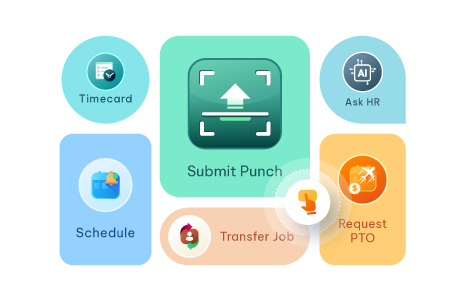
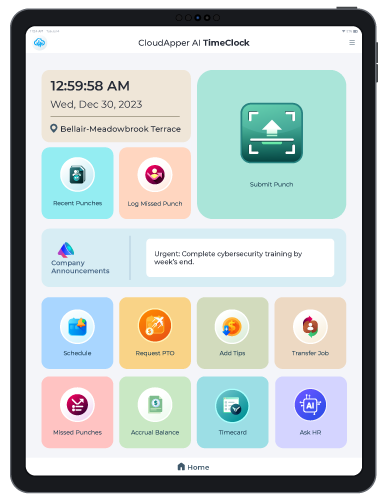
Because hrPad is built to support UKG customers, it fits into existing timekeeping flows. Employees who already use a device to clock in and out can also use the same interface to:
- Request time off with attachments
- Check leave balances
- See request status
- Review past approved or denied requests
All of this reduces dependency on HR for basic questions and keeps decisions closer to the source.
Real-world situations where attachments make a difference
The value of attaching documents to time-off requests really shines in specific scenarios. A few common ones include:
Medical leave
When an employee needs time off for surgery, ongoing treatment, or extended illness, attaching a doctor’s note or medical certificate provides clarity. It helps HR and managers understand the expected duration, any work restrictions, and whether extended leave might apply.
Bereavement leave
Bereavement policies often include criteria for who qualifies as an immediate family member and how many days are allowed. An obituary, funeral program, or travel confirmation gives context without forcing the employee to repeatedly explain a sensitive situation.
Educational or training leave
If the organization supports development leave, employees can attach proof of enrollment, training schedules, or seminar confirmations. That makes it simpler to verify eligibility and align learning commitments with staffing needs.
Major family events or relocations
For significant family events, immigration appointments, or relocation-related travel, attachments like official letters, bookings, or legal notices can help managers plan ahead and understand why the requested dates matter.
In each of these cases, the attachment is not about mistrust. It is about clarity, fairness, and having the right information available when decisions are made and when they are reviewed later.
Benefits for HR, managers, and employees
Allowing attachments in time-off requests through CloudApper hrPad delivers benefits for each stakeholder, adding up to a more efficient and transparent process overall.
For managers, it becomes much easier to make quick, confident decisions. They can see the reason for the leave and the supporting documents in a single view, rather than piecing information together. That speeds up approvals, reduces back-and-forth questions, and helps ensure consistent treatment across the team.
For HR, the benefits are even more structural. Documentation lives with the request, supporting policy enforcement, reducing disputes, and providing evidence for compliance checks. When questions come up months later, HR can pull up the whole record instead of searching through emails or old files. Over time, this reduces the administrative time spent on leave-related follow-up and corrections, which already occupies a large share of HR capacity in many organizations.
Employees benefit as well. When they can attach documents when they submit a request, they feel more confident that their situation has been adequately communicated. They do not have to worry about whether their manager received a separate email or if a screenshot on their phone will be accepted. The process feels more straightforward and fair.
How hrPad supports a broader self-service and compliance strategy
The ability to add attachments to time off requests is one part of a larger picture. CloudApper hrPad is designed as a self-service layer on top of UKG Pro WFM (Dimensions), so the same device can support other HR and timekeeping needs.
Employees can review schedules, submit time off requests, respond to HR workflows, and confirm important policies from a single interface. This reduces HR’s workload and reduces the number of systems employees need to learn. For organizations that operate multiple locations or have frontline employees without regular computer access, a shared hrPad kiosk can become the central gateway to HR services.
From a compliance perspective, hrPad helps create a reliable audit trail. Every time-off request, every attachment, and every decision are recorded. When combined with UKG Pro WFM’s powerful rules and reporting, this documented history makes it easier to demonstrate that leave was handled consistently and in line with policy.
Best practices when enabling attachments for time off
To get the most value out of this capability, organizations should think beyond the feature itself and consider a few simple best practices:
Set clear guidelines
Define which types of leave require documentation, what kind of documents are acceptable, and how long they are retained. Communicate this in plain language so employees know what to expect.
Keep privacy in mind
Make sure employees understand how their documents will be used and stored. Sensitive medical or family documents should be handled with appropriate access controls and retention policies.
Train managers
Even if the process is intuitive, it is worth spending time with managers to explain how to review attachments, what to look for, and when to involve HR in more complex cases.
Encourage consistent use
Finally, ensure that all relevant time off requests follow the same documented process. When documentation is optional, inconsistency creeps in. When it is clearly defined and easy to submit via hrPad, adoption becomes much smoother.
Quick answers about attachments in time off requests
What is the main advantage of adding attachments to time off requests?
The main advantage is that managers and HR see all the context they need at once. This speeds up decisions, reduces misunderstandings, and creates a clear record that can be referenced later if questions arise.
Is adding attachments only useful for medical or bereavement leave?
No. While those are common examples, attachments are also useful for educational leave, immigration or legal appointments, relocation, and any other situation where a supporting document helps explain why the time off is needed.
How does CloudApper hrPad help UKG Pro WFM customers specifically?
hrPad integrates with UKG Pro WFM (Dimensions) and provides a simple, kiosk-style interface for employees. They can submit time off requests with attachments, view balances, and handle other self-service tasks, while all the data flows back into the UKG environment for reporting, payroll, and compliance.
Conclusion
CloudApper hrPad revolutionizes how organizations handle time off requests, particularly with the feature to add attachments to a time off request. This functionality enhances transparency, accountability, and efficiency, making it easier for managers to review and make decisions on time off requests. With its comprehensive suite of features, CloudApper hrPad addresses the immediate needs related to time off requests and offers broader benefits that streamline HR processes and improve employee satisfaction. For organizations looking to optimize their HR operations and make the process of requesting time off as seamless as possible, contacting CloudApper AI for more information on hrPad is a step in the right direction.

October 26, 2026
California Seventh Consecutive Day Overtime in UKG: Flagging It at Clock-In
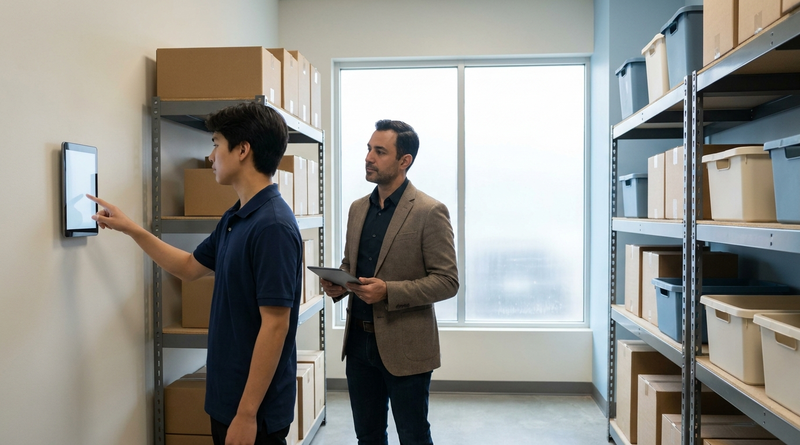
California pays premium rates on the seventh consecutive workday in a workweek, even when total hours stay at 40. Learn how UKG Pro WFM and UKG Ready calculate it, why the cost decision happens before the punch, and how CloudApper AI TimeClock flags it at clock-in.
October 23, 2026
New York Spread of Hours Pay in UKG: Catching the 10-Hour Span Before Payroll Does
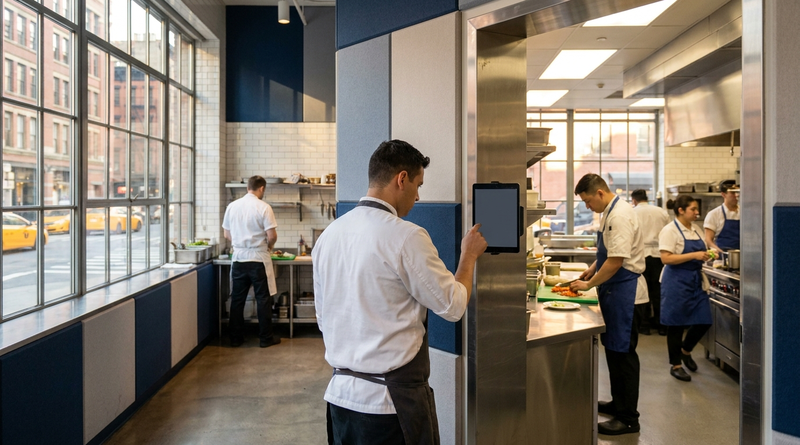
New York owes an extra hour of pay when a workday spans more than 10 hours or includes a split shift. Learn how UKG Pro WFM and UKG Ready calculate the premium, why missed split-shift punches hide it, and how CloudApper AI TimeClock keeps punches accurate on affordable tablets.
October 22, 2026
Illinois One Day Rest in Seven Act: Configuring UKG for Meal and Seventh-Day Rest Rules
Since 2023, Illinois requires 24 hours of rest in every rolling seven-day period and earlier, more frequent meal periods. Learn how UKG Pro WFM and UKG Ready can enforce ODRISA rules, and how CloudApper AI TimeClock adds seventh-day and meal checks on an affordable tablet.
October 19, 2026
Nurse Mandatory Overtime Limits in UKG: Documenting Voluntary Overtime at Clock-Out
New York, Pennsylvania and Washington restrict mandatory overtime for nurses, which makes documented consent the key record. Learn how UKG Pro WFM and UKG Ready separate voluntary and mandated overtime, and how CloudApper AI TimeClock captures consent on an affordable unit tablet.