Over 80% of the global workforce is deskless, yet many HR systems like UKG Dimensions are desktop-focused, causing inefficiencies for frontline workers. Solutions like CloudApper hrPad enhance accessibility, boosting productivity and employee satisfaction.



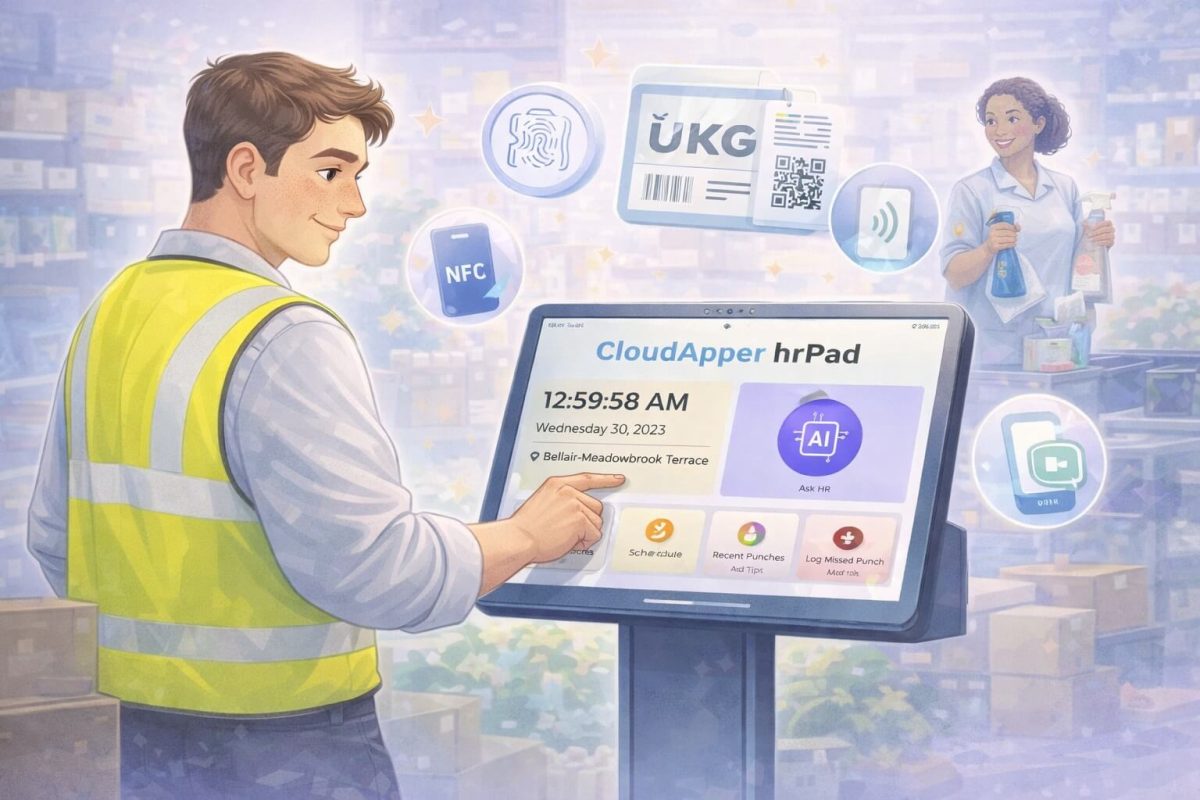
Table of Contents
Did you know that over 80% of the global workforce is deskless, yet many HR systems like UKG Dimensions are designed primarily for desktop users? This disconnect leaves frontline teams in retail, healthcare, manufacturing, and hospitality grappling with inefficient access to essential tools, ultimately affecting productivity and morale.
What Challenges Do Deskless Workers Face with UKG Dimensions Employee Login?
Frontline employees, the unsung heroes of dynamic industries, often operate in environments where pausing to find a computer isn’t feasible. Nurses darting between patients, retail associates handling peak-hour rushes, or factory workers on assembly lines—these roles demand constant mobility. Traditional UKG Dimensions Employee Login, while robust for office-based staff, requires computer access or corporate emails that many deskless workers lack. This creates a cascade of issues, from wasted time hunting for terminals to inaccuracies in time tracking and HR tasks.
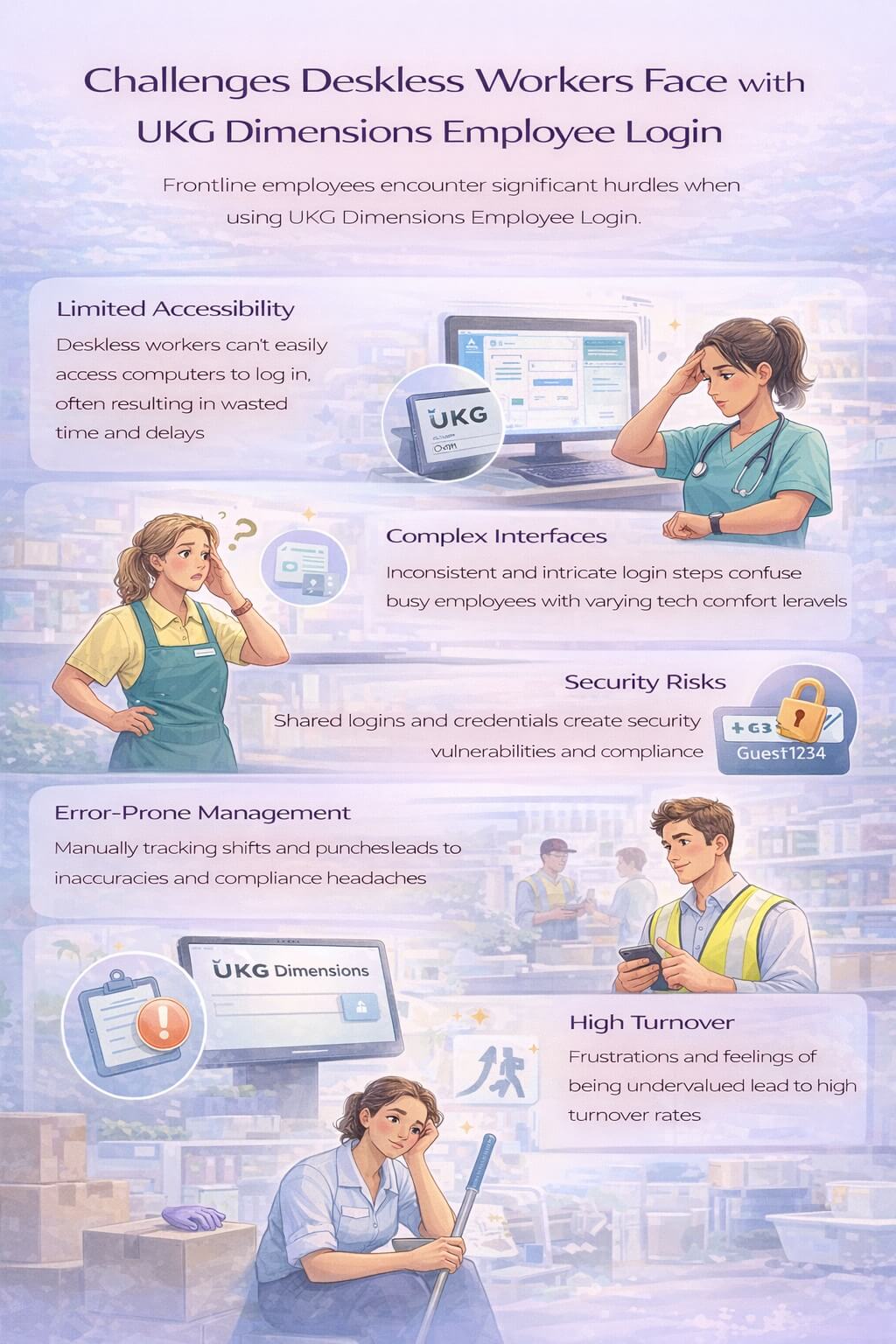
Consider the frustration of a hospitality worker needing to clock in during a busy shift but facing a locked back-office computer. Such barriers not only delay operations but also contribute to higher turnover, as employees feel undervalued and disconnected. In diverse workforces, varying tech literacy levels compound the problem, with complex interfaces leading to errors and compliance risks. Security concerns arise too, as shared credentials become a workaround, exposing organizations to data breaches.
From an industry perspective, this highlights a broader trend: workforce management systems must evolve to include all employees, not just those at desks. With remote and hybrid models on the rise, addressing these pain points isn’t optional—it’s essential for maintaining competitive edges in talent retention and operational efficiency.
How Can UKG Dimensions Employee Login Be Optimized for Frontline Teams?
Optimizing UKG Dimensions Employee Login starts with recognizing the unique needs of deskless workers and leveraging technology to bridge gaps. Innovative solutions are emerging that transform everyday devices into powerful HR hubs, making login processes intuitive and accessible. By integrating AI-driven tools, organizations can automate authentication and simplify interfaces, ensuring that even non-tech-savvy users can engage effortlessly.
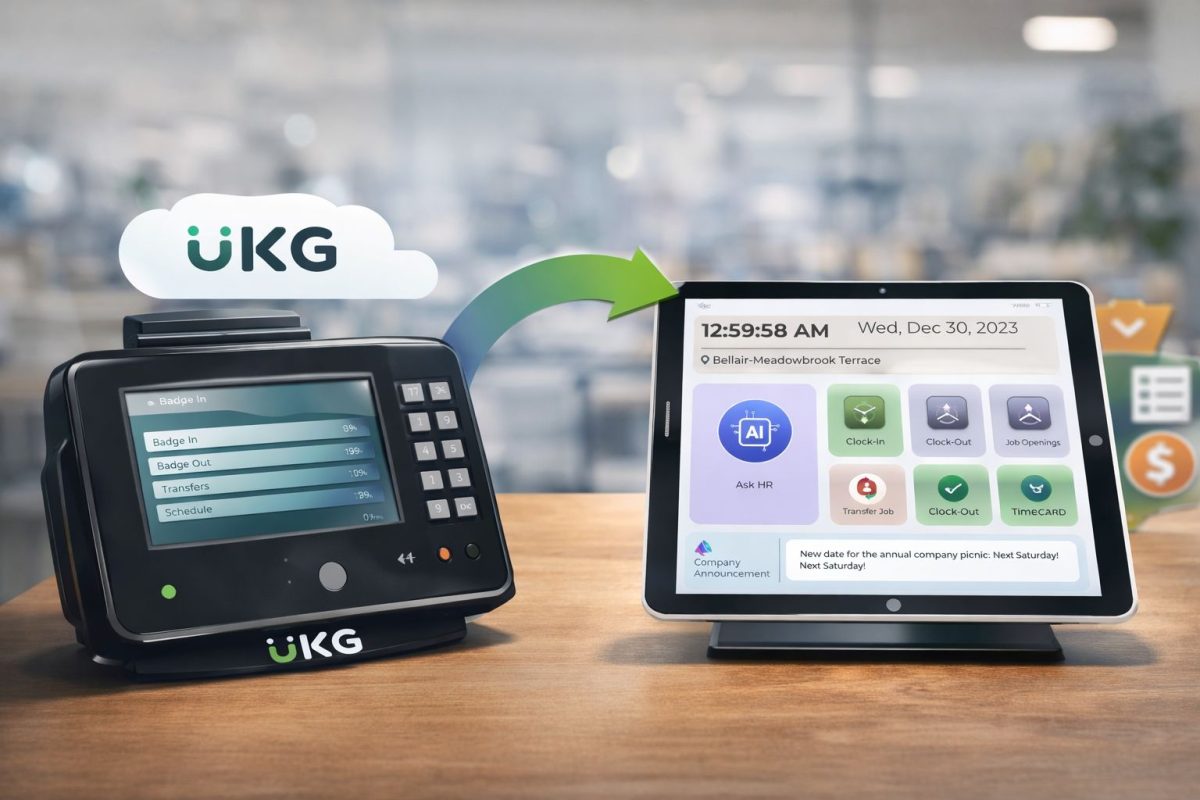
One effective approach is adopting tablet-based platforms that sync seamlessly with UKG systems. These tools eliminate the need for desktops, allowing workers to log in via biometrics or quick scans right from the field. This not only saves time but also enhances accuracy in tasks like scheduling and payroll. Industry leaders are already seeing results: companies implementing such optimizations report up to 30% improvements in employee satisfaction and reduced administrative overhead.
Thoughtful analysis reveals that the key lies in customization. Tailoring workflows to specific industries—such as icon-based menus for hospitality or voice commands for manufacturing—can make UKG Dimensions Employee Login feel inclusive. Drawing from real-world examples, a retail chain that switched to mobile-friendly access saw faster shift starts and fewer errors, proving that small changes yield big impacts.
What Is CloudApper hrPad and How Does It Enhance UKG Dimensions Employee Login?
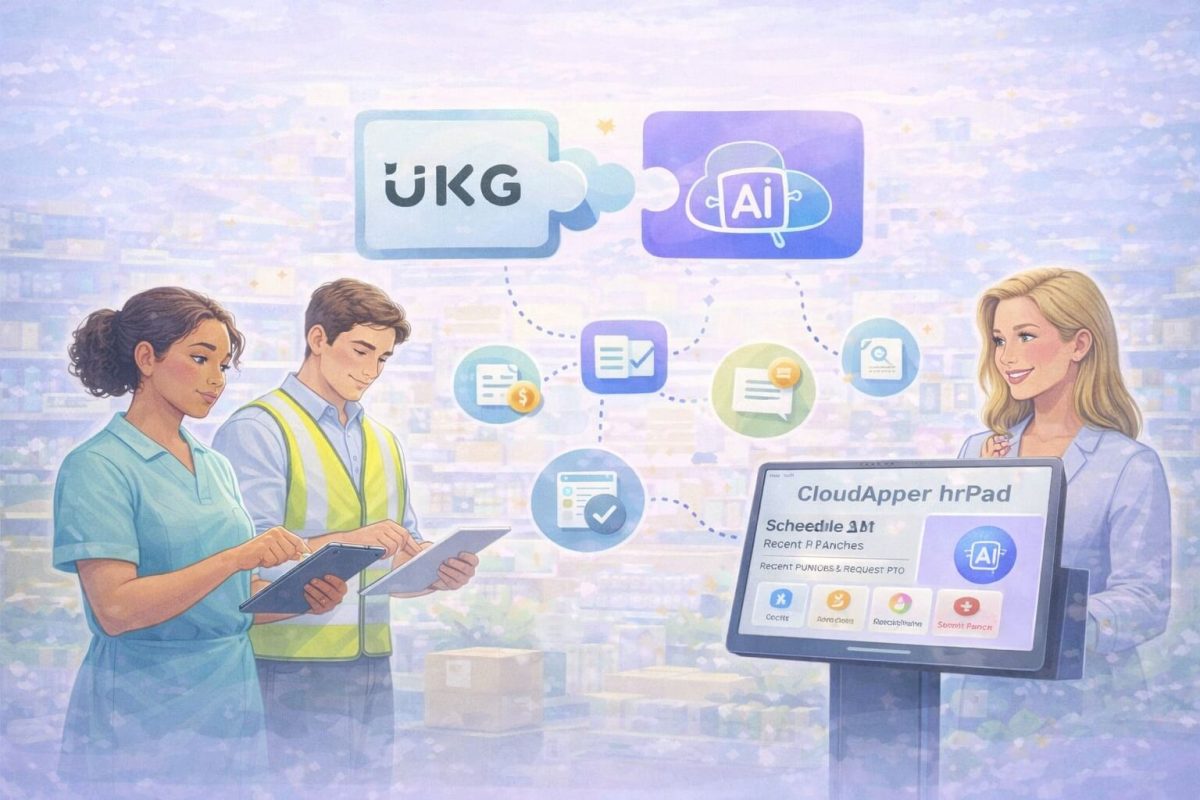
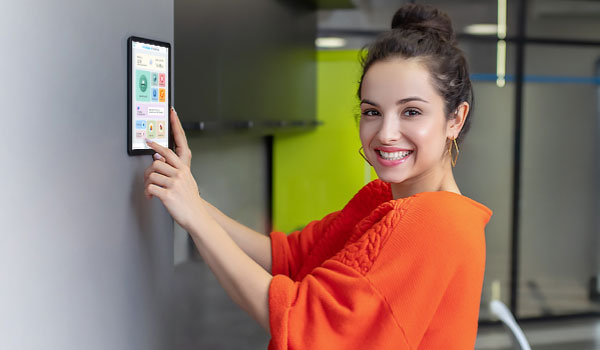
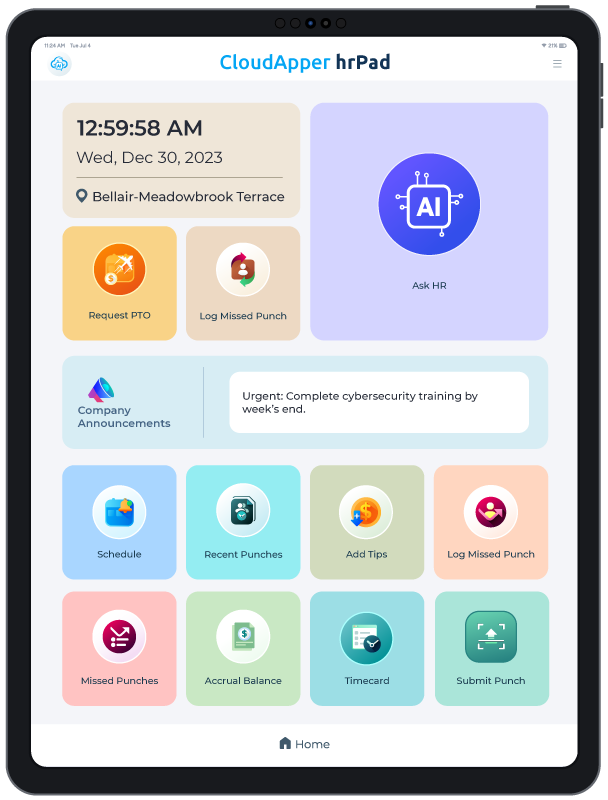
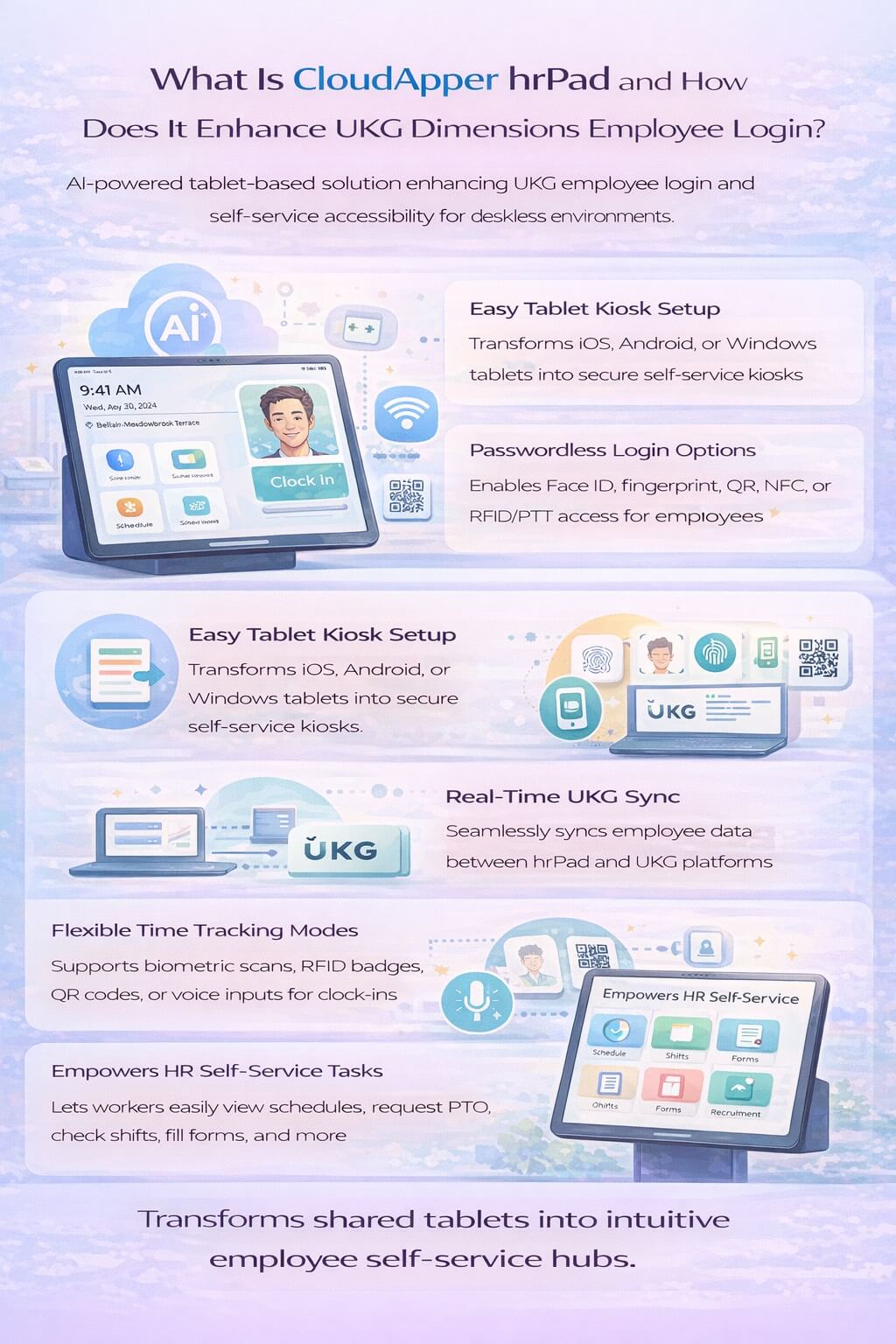
CloudApper hrPad is an AI-powered, tablet-based innovation that extends the reach of HCM systems like UKG Dimensions to deskless environments. Compatible with affordable iOS, Android, or Windows devices, it turns shared tablets into centralized points for HR self-service, time tracking, and more. This solution addresses the core limitations of traditional setups by providing on-the-go access without compromising security or functionality.
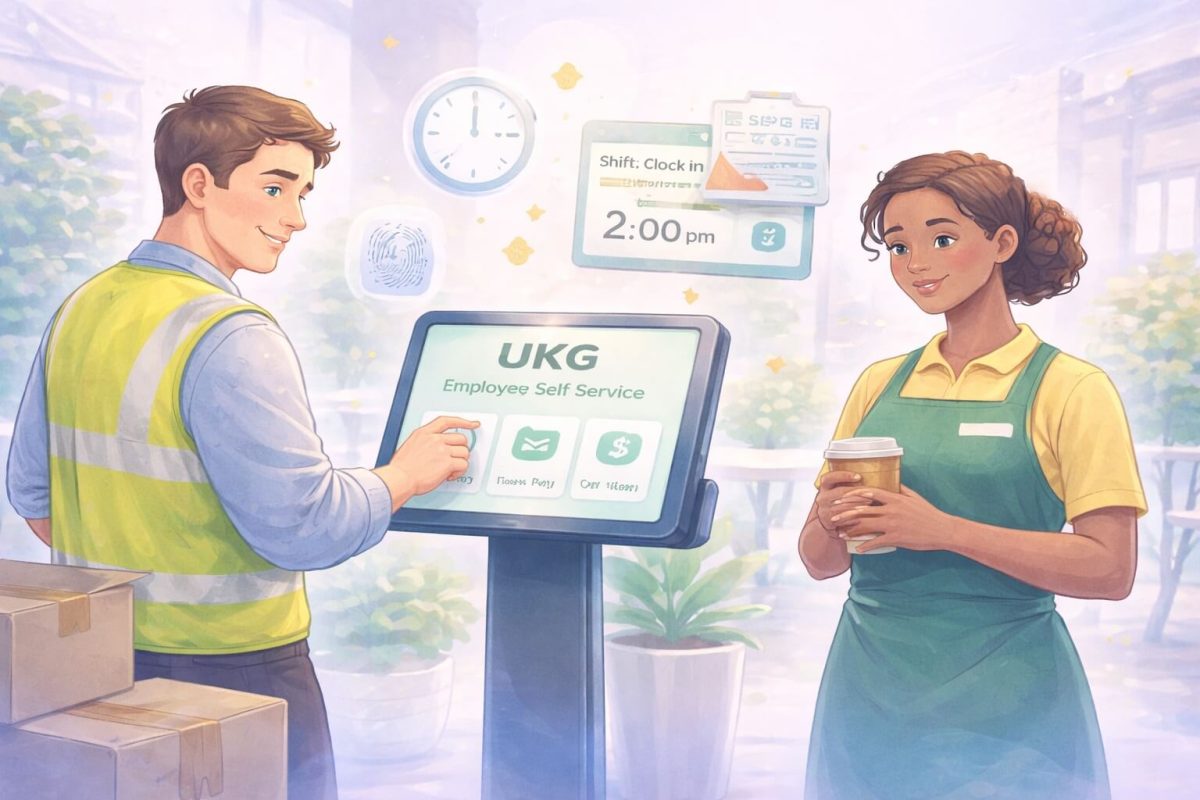
At its heart, CloudApper hrPad offers seamless synchronization, ensuring real-time data updates between the device and UKG platforms. Workers can perform UKG Dimensions Employee Login using facial recognition, bypassing cumbersome passwords. This automation extends to multi-modal time tracking, supporting PIN, QR codes, or even Photo inputs, which caters to diverse preferences and reduces tampering risks.
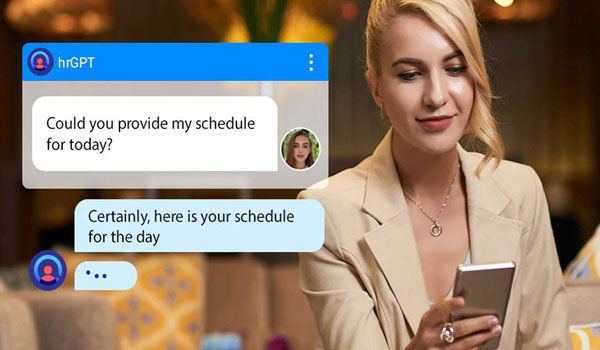
Beyond login, it empowers users with self-service tools for viewing schedules, requesting time off, or handling recruitment. Customizable AI features allow businesses to adapt the interface, making it user-friendly for all tech levels. For instance, in healthcare, nurses can quickly check shifts between rounds, fostering a sense of control and reducing burnout. As an expert in workforce trends, I’ve seen how such integrations not only solve immediate pain points but also position organizations as forward-thinking employers in a competitive job market.
Why Is Accessibility Crucial for UKG Dimensions Employee Login in Deskless Workforces?
Accessibility in UKG Dimensions Employee Login isn’t just about convenience—it’s about equity. Deskless workers, who form the backbone of essential sectors, deserve tools that match their workflows. Without it, organizations risk inefficiencies, like manual corrections for time entries or increased HR support tickets. With labor shortages persisting, inclusive systems can be a differentiator, attracting talent by demonstrating commitment to employee empowerment.
CloudApper hrPad exemplifies this by extending UKG’s capabilities to 100% of the workforce, including those without emails or computers. Its benefits include automated compliance enforcement, flagging issues like overtime violations in real-time. This reduces risks and frees HR teams for strategic roles. Real-world insights from manufacturing firms show that after implementation, disputes over hours dropped significantly, building trust and boosting productivity.
Analyzing industry challenges, it’s clear that traditional systems perpetuate divides, but solutions like this bridge them, creating harmonious workplaces. The value here is profound: enhanced employee experiences lead to lower turnover and higher engagement, ultimately driving business success.
How to Implement Solutions Like CloudApper hrPad for Better UKG Dimensions Employee Login?
Implementing enhancements for UKG Dimensions Employee Login begins with assessing your workforce’s needs. Start by identifying pain points through employee feedback—do they struggle with access or interface complexity? Then, pilot tablet-based tools in high-impact areas, like factory floors or retail counters, to test integration.
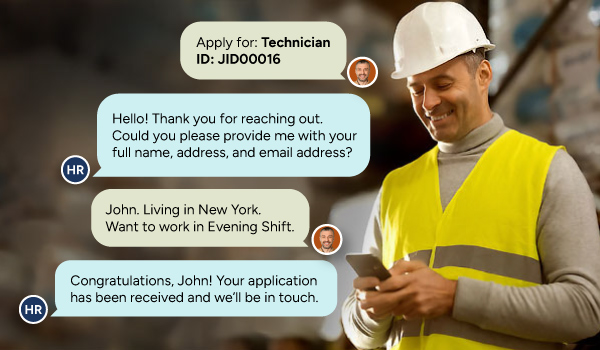
Training is key: short, hands-on sessions can familiarize teams with biometric logins and customized UIs. For example, a hospitality business might configure CloudApper hrPad with simple icons for shift swaps, making adoption swift. Monitor metrics like login times and error rates to refine the setup. Over time, this leads to streamlined processes, where frontline teams handle HR tasks independently, reducing bottlenecks.
From a leadership standpoint, this shift represents a strategic investment. By automating routine tasks, organizations can focus on innovation, aligning with trends toward AI-driven efficiency. Success stories abound: a healthcare provider using such a system reported 25% faster onboarding, illustrating how thoughtful implementation empowers teams and scales operations.
What Are the Long-Term Impacts of Improving UKG Dimensions Employee Login?
Improving UKG Dimensions Employee Login has ripple effects that extend far beyond immediate efficiency. In the long term, it fosters a culture of inclusivity, where deskless workers feel integral to the organization. This boosts morale, reduces absenteeism, and enhances retention—critical in industries facing talent shortages.
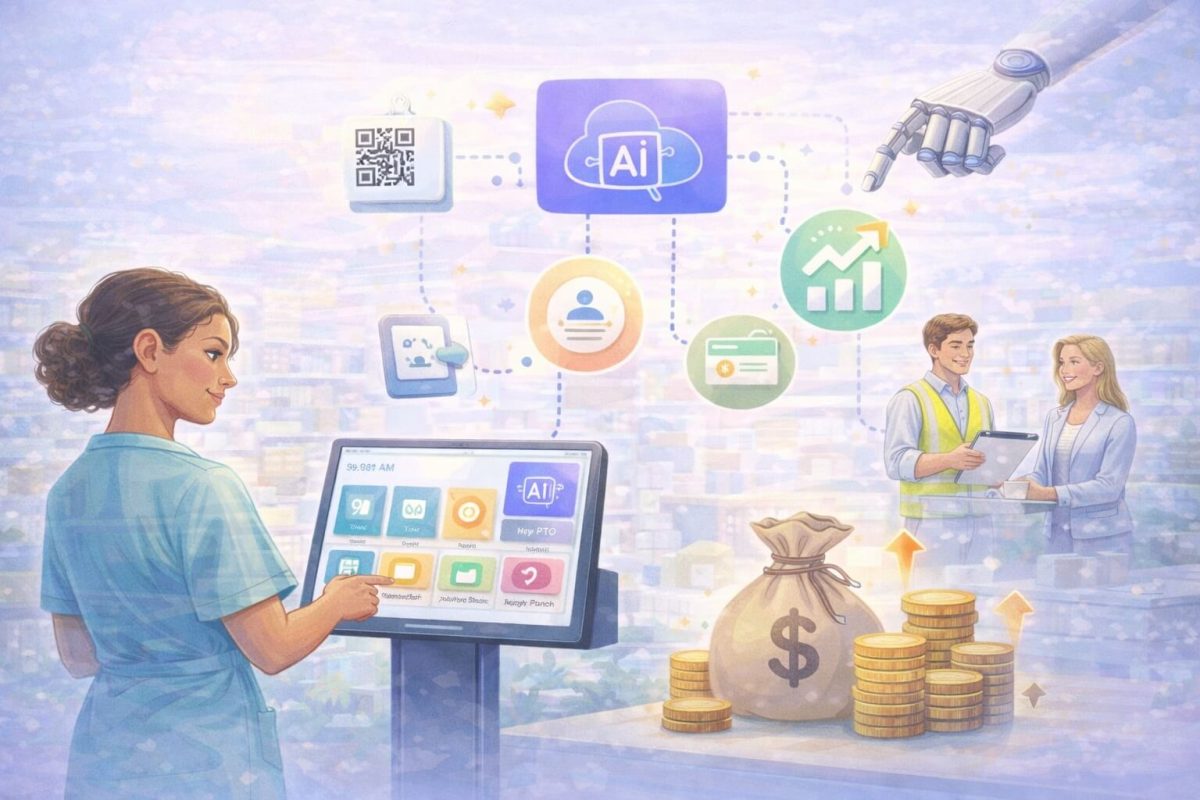
Solutions like CloudApper hrPad contribute by providing data-driven insights, such as analytics on shift patterns, helping leaders make informed decisions. As workplaces evolve post-2026, with AI integration becoming standard, these tools will be pivotal in maintaining compliance and adaptability. Thoughtful analysis shows that empowered employees drive innovation; for instance, frontline input via self-service platforms can spark process improvements.
Ultimately, the transformation leads to resilient operations, ready for future challenges like remote monitoring or hybrid shifts. By prioritizing accessibility, businesses not only optimize current systems but also future-proof their workforce management strategies.
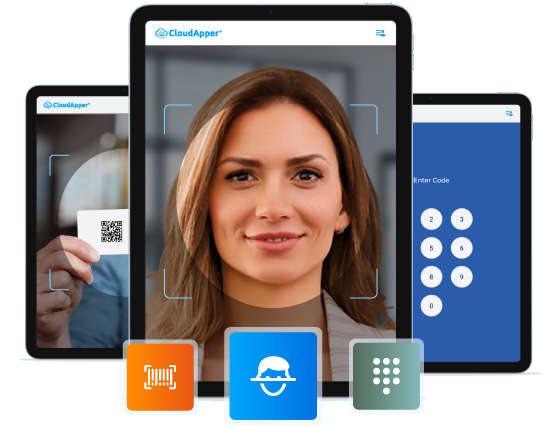
and enhances security.
How Does CloudApper hrPad Address Tech Literacy Gaps in UKG Dimensions Employee Login?
Tech literacy varies widely among deskless workers, from digital natives to those less familiar with apps. CloudApper hrPad tackles this by offering a simplified, customizable interface that demystifies UKG Dimensions Employee Login. Features like voice commands or large icons make navigation intuitive, ensuring no one is left behind.
In practice, this means a retail worker can log in and check pay stubs without multi-step processes. Benefits include higher adoption rates and fewer errors, as users engage confidently. Industry trends indicate that such user-centric designs correlate with improved job satisfaction, with studies showing up to 40% better engagement in equipped teams.
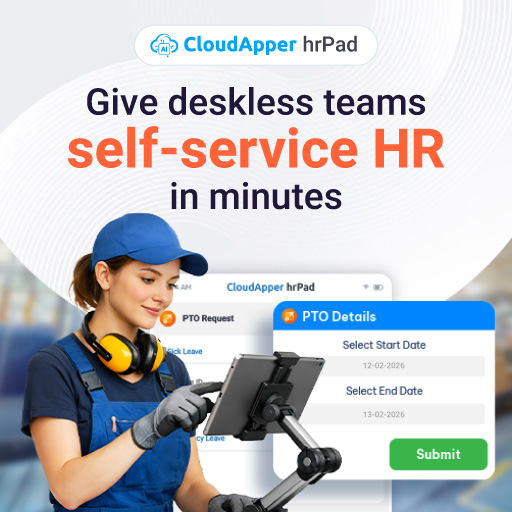
Drawing on experience, I’ve observed that addressing these gaps not only solves operational issues but also builds a more cohesive workforce, where technology serves as an enabler rather than a barrier.
As we reflect on the evolving landscape of workforce management, it’s evident that enhancing UKG Dimensions Employee Login for deskless teams is a game-changer. Solutions like CloudApper hrPad offer the accessibility, automation, and empowerment needed to thrive. Take the first step today—explore how integrating such innovative tools can transform your operations, engage your frontline workers, and drive sustainable success. Contact a specialist or start a pilot to unlock the full potential of your HCM system now.
How To Use CloudApper hrPad with UKG Dimensions
- Setup CloudApper hrPad: Install the CloudApper hrPad app on compatible devices such as iOS or Android tablets.
- Customize the Interface: Access the customizable features in hrPad to tailor the interface for your workplace needs, which might include adding simple icons or customized workflows.
- Train Your Team: Conduct demo sessions and provide training to familiarize employees with using CloudApper hrPad for logging in and accessing HR tools.
- Biometric and RFID Setup: Configure biometrics like facial recognition or RFID for authentication to ensure secure and quick employee logins.
- Synchronization: Enable real-time synchronization between CloudApper hrPad and UKG Dimensions to ensure up-to-date information across all platforms.
- Monitor and Adjust: Continuously gather feedback from users and monitor system performance, making necessary adjustments to workflows and interfaces to improve efficiency.
FAQs
What is CloudApper hrPad?
CloudApper hrPad is an AI-powered, tablet-based solution that integrates with HCM systems like UKG Dimensions, offering deskless workers easy access to essential HR tools and services.
How does CloudApper hrPad enhance UKG Dimensions Employee Login?
It simplifies authentication via biometrics like facial recognition, streamlines HR self-services, and allows real-time data synchronization across devices, reducing time lag and increasing accessibility.
Can CloudApper hrPad be customized?
Yes, businesses can tailor the CloudApper hrPad interface to suit their workforce needs, utilizing customizable workflows and interfaces to improve user experience across different industries.
What devices are compatible with CloudApper hrPad?
CloudApper hrPad is compatible with a range of cost-effective iOS, Android, and Windows tablets, making it a versatile solution for various work environments.
What benefits does CloudApper hrPad provide for HR teams?
It reduces the administrative burden by automating timekeeping and routine tasks, allowing HR staff to focus on strategic initiatives and improving overall workforce management.