
Candidate fraud is becoming harder to detect in UKG recruitment. This article explains the growing problem, common fraud types, and how CloudApper AI Recruiter automatically verifies candidates, flags inconsistencies, and protects your hiring process without slowing down recruitment.




Table of Contents
I had a conversation with a UKG Pro Recruiting user a few days ago, and throughout that conversation, out of every problem he shared, the one that stood out the most was him being unable to detect candidate fraud. He was managing hundreds of applications every week, and his team simply didn’t have time to verify every claim on every resume. He knew fraudulent candidates were slipping through, but catching them felt impossible without slowing down his entire hiring process.
If this sounds familiar, you’re not alone. Candidate fraud happens when job applicants intentionally misrepresent their qualifications, experience, credentials, or identity during the hiring process. This includes falsified resumes, fake degrees, inflated experience, and the use of AI tools to deceive recruiters. CloudApper AI Recruiter for UKG automatically screens, verifies, and scores candidates while catching fraudulent applications before they waste your team’s time. In this article, I did a detailed breakdown of the common types of candidate fraud, why traditional screening processes fall short, and how AI-powered detection protects your hiring process.
TL;DR: What This Article Covers
-
Candidate fraud is rapidly increasing in UKG Pro and Ready recruiting workflows — especially with AI-written resumes and fake credentials.
-
Traditional screening can’t catch fabricated timelines, inflated experience, or AI-generated applications at scale.
-
CloudApper AI Recruiter integrates directly with UKG to automatically detect fraud using contextual analysis, scenario-based questions, and consistency checks.
-
The system verifies real knowledge behind resume claims and flags candidates who can’t back up what they wrote.
-
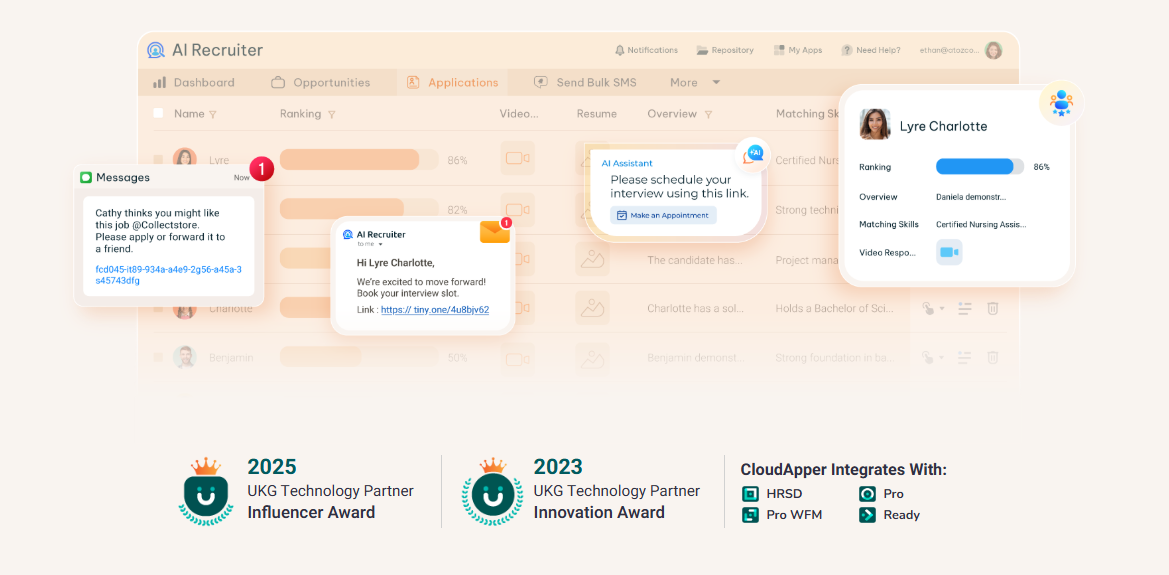
Fraud detection happens before recruiters invest time — everything syncs into the UKG dashboard they already use.
-
A single pilot campaign is enough to prove how many fraudulent candidates are slipping through — before scaling it across all UKG roles.
The Growing Problem of Candidate Fraud in UKG Recruitment
Candidate fraud isn’t just about the occasional embellished job title anymore. We’re seeing sophisticated deception that traditional screening simply can’t catch.
When you’re using UKG Pro or Ready to manage hundreds or thousands of applications, the volume itself becomes a vulnerability. Fraudulent candidates know that overwhelmed recruiters can’t scrutinize every detail. They’re counting on it.
Here’s what makes this particularly challenging for UKG users:
The speed problem: You need to fill positions quickly. UKG helps you manage the workflow, but it can’t tell you which candidates are lying about their qualifications. The pressure to move fast often means less time to verify claims.
The volume problem: Whether you’re in healthcare, manufacturing, or retail, high-volume hiring is standard. More applications mean more opportunities for fraud to slip through. Your UKG system organizes candidates beautifully, but it doesn’t automatically flag the ones who are being dishonest.
The sophistication problem: Candidates now have access to AI tools that can generate convincing resumes, cover letters, and even interview responses. They know how to game applicant tracking systems. They understand what keywords to include. And they’re getting better at it.
The cost problem: Every fraudulent hire that makes it through your process costs you money. There’s the direct cost of salary and benefits paid to someone who can’t actually do the job. There’s the cost of re-recruiting and re-hiring. There’s the productivity loss. And there’s the potential damage to your team morale and customer relationships.
For UKG users specifically, candidate fraud undermines the efficiency your system is designed to provide. You’ve invested in UKG to streamline recruiting, but if fraudulent candidates are clogging your pipeline, you’re not getting the full value.
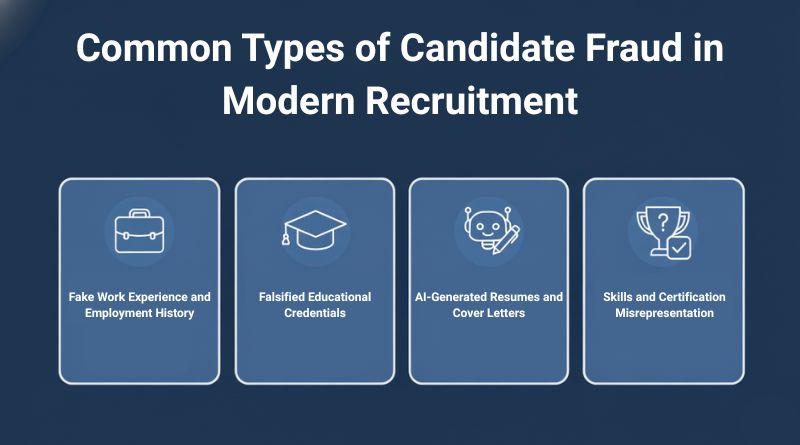
The 4 Common Types of Candidate Fraud in Modern Recruitment
Understanding what you’re up against is the first step in protecting your hiring process. Here are the five most common types of candidate fraud we see in UKG recruiting environments:
1. Fake Work Experience and Employment History
This is the classic form of resume fraud. Candidates claim positions they never held, extend their employment dates to hide gaps, or inflate their level of responsibility.
You might see “Manager” when they were actually an individual contributor. Or “5 years of experience” when it was really 18 months. Some candidates even invent entire companies that never existed or claim to have worked at real companies during periods when they didn’t.
2. Falsified Educational Credentials
Credential verification becomes critical when candidates claim degrees they didn’t earn, certifications they don’t hold, or educational achievements from institutions that don’t exist.
This is especially dangerous in healthcare, where licensing and certification aren’t just resume padding; they’re legal requirements. If someone claims to be a certified nurse but isn’t, you’re not just making a bad hire; you’re creating a serious liability.
3. AI-Generated Resumes and Cover Letters
This is the newest and fastest-growing type of fraud. Candidates are using ChatGPT and similar tools to generate entire application materials. The resumes look polished and professional. The cover letters hit all the right notes. But the candidate might not be able to do any of the things their AI-written resume claims.
The real problem? These AI-generated materials are specifically designed to game AI screening technology. They include the right keywords. They follow the optimal format. They say exactly what screening algorithms want to see. But they don’t necessarily reflect the candidate’s actual capabilities.
4. Skills and Certification Misrepresentation
Candidates claim proficiency in software they’ve barely used. They list certifications that are expired, irrelevant, or completely fabricated. They exaggerate their technical abilities because they know most recruiters won’t test them during the screening process.
For UKG users hiring for technical roles, warehouse positions, or healthcare jobs, this type of fraud can be devastating. You think you’re hiring someone who can operate specific equipment or use particular software, but they can’t actually do the job.
How CloudApper AI Recruiter Detects Candidate Fraud in UKG Recruitment
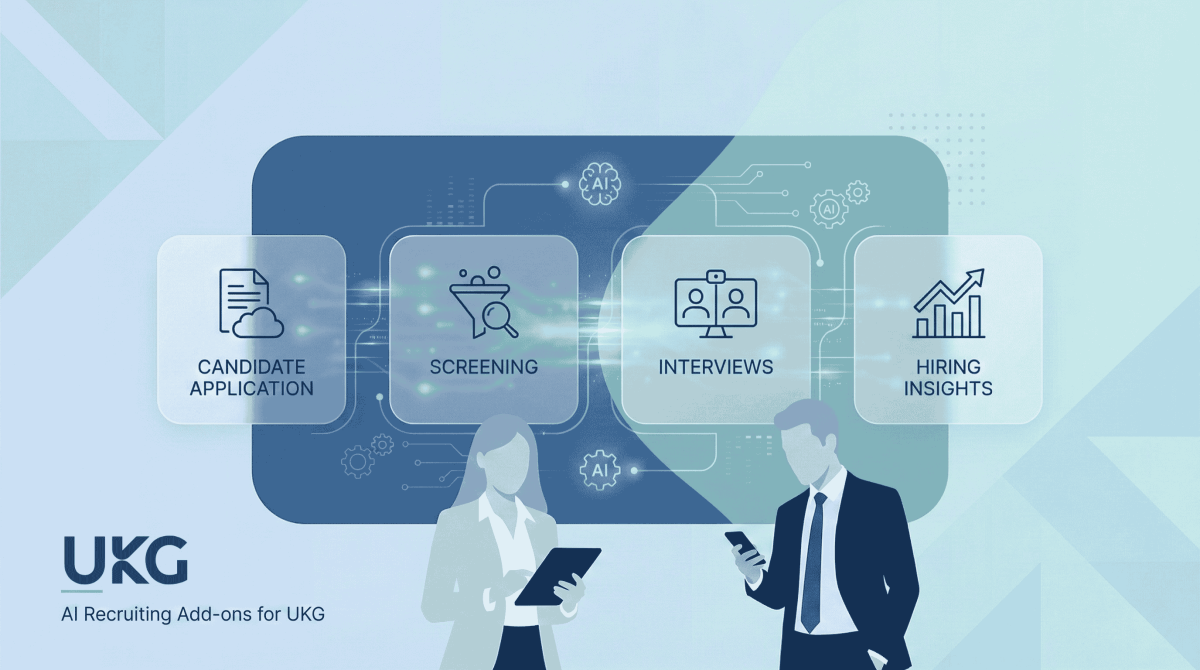
This is where AI-powered fraud detection changes everything. CloudApper AI Recruiter integrates directly with your UKG Pro or Ready Recruiting system to catch candidate fraud automatically, without slowing down your hiring process.
Here’s exactly how it works:

Deep Contextual Analysis vs. Keyword Matching
Traditional screening looks for keywords. CloudApper AI Recruiter analyzes context.
When a candidate claims “5 years of project management experience,” the AI doesn’t just check if those words appear on the resume. It analyzes whether the described responsibilities actually match what a project manager does. It looks at the progression of roles. It evaluates whether the timeline makes sense. It checks if the level of responsibility aligns with the claimed experience.
For example, if someone claims to be a “Senior Project Manager” but their described responsibilities sound more like a coordinator or assistant, the AI flags that inconsistency. If their career progression doesn’t make logical sense (junior developer one year, senior architect the next), it catches that too.
This contextual analysis happens automatically for every candidate who applies through your UKG system. You don’t have to manually investigate. The AI candidate screening does it for you and surfaces the candidates whose applications don’t hold up under scrutiny.
Scenario-Based Questioning to Verify Claims
This is where CloudApper AI Recruiter really shines in detecting candidate fraud. Instead of asking generic screening questions, it generates personalized, scenario-based questions based on what each candidate claims in their application.
If a candidate says they managed a team of 15 people, the AI asks them to describe a specific situation where they had to handle a team conflict. If they claim expertise in a particular software, it asks them to walk through how they would solve a real problem using that software.
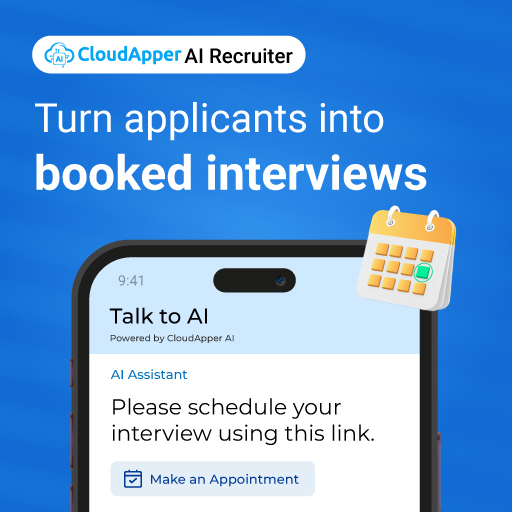
These aren’t questions candidates can prep for with generic interview advice. They’re specific to the claims on their resume. And the AI analyzes their responses for depth, consistency, and actual knowledge.
When candidates have used AI to write their resumes or inflated their experience, they struggle with these scenario-based questions. They might be able to parrot back keywords, but they can’t demonstrate actual understanding or experience. The AI catches that gap.
This all happens during the pre-screening phase, before you’ve invested any time in the candidate. The results sync directly into your UKG system, so you can see which candidates passed the verification and which ones raised red flags.
Consistency Checking Across Application Data
Resume fraud often reveals itself through inconsistencies. Dates don’t line up. Responsibilities contradict each other. Claims in the cover letter don’t match claims in the resume.
CloudApper AI Recruiter automatically cross-references all the data a candidate provides. It checks employment dates for gaps or overlaps. It verifies that the skills mentioned in the screening questions match the skills listed on the resume. It ensures that the level of expertise claimed is consistent across all materials.

If a candidate says they’re “proficient in Excel” in one place and “expert in advanced data analysis” in another, the AI asks questions that would require expert-level knowledge. If they can’t answer, that inconsistency gets flagged.
This consistency checking extends to timeline verification for employment history. The AI looks for logical career progression. It identifies suspicious gaps. It flags periods where the timeline doesn’t make sense (like claiming two full-time jobs simultaneously without explanation).
All of this happens automatically in the background. You just see the results in your UKG dashboard.
Detecting AI-Generated Resumes and Applications
This is the newest challenge in identifying candidate fraud, and it’s one that traditional screening completely misses.
CloudApper AI Recruiter uses advanced analysis to identify patterns that suggest AI-generated content. It’s not looking for obvious markers like “as an AI language model” (candidates aren’t that careless). Instead, it analyzes writing patterns, consistency in voice, and the relationship between claimed experience and described responsibilities.

More importantly, it tests whether candidates actually understand what their resume claims. If an AI wrote a beautiful paragraph about “leveraging agile methodologies to drive cross-functional alignment,” the AI asks the candidate to explain what that actually means in practice. If they can’t, you know the resume wasn’t based on real experience.
The scenario-based questioning approach is particularly effective here. AI can generate impressive-sounding text, but it can’t give candidates the actual experience and knowledge to back it up. When the AI Recruiter asks specific, situational questions, AI-generated applications fall apart.
Real-Time Interview Assessment Tools
For candidates who make it past initial screening, CloudApper AI Recruiter continues fraud detection during the interview process.
The system evaluates how candidates think, not just what they answer. It measures consistency across responses. If a candidate gives contradictory answers to related questions, that’s a red flag. If their depth of knowledge seems surface-level despite claiming years of experience, that gets flagged too.
The AI analyzes problem-solving approaches and soft skills demonstrations. When you ask a candidate to walk through how they’d handle a situation, the AI evaluates whether their approach matches the experience level they claim. A “senior” professional should think differently from a junior one. The AI catches when that doesn’t align.
This isn’t about replacing human judgment in interviews. It’s about giving you additional data points that help you spot fraud you might otherwise miss. The results integrate directly with your UKG system, so all the interview data and fraud detection insights are in one place.
Still unsure whether fraudulent resumes are slipping through your screening? Let us show you the gaps your team might be missing.
Traditional Screening vs. AI-Powered Fraud Detection
| Factor | Traditional Screening | AI-Powered Fraud Detection |
| Resume Review | Manual review, 2-4 hours per position | Automated contextual analysis, completed in seconds |
| Fraud Detection Method | Human judgment, keyword matching | Deep contextual analysis, consistency checking, scenario-based verification |
| Verification Questions | Generic screening questions | Personalized questions based on each candidate’s specific claims |
| AI-Generated Content Detection | Cannot detect | Identifies patterns and tests actual knowledge |
| Consistency Checking | Manual, time-intensive, often skipped | Automatic cross-referencing of all application data |
| Integration with UKG | Manual data entry and tracking | Seamless, automatic sync with UKG Pro and Ready |
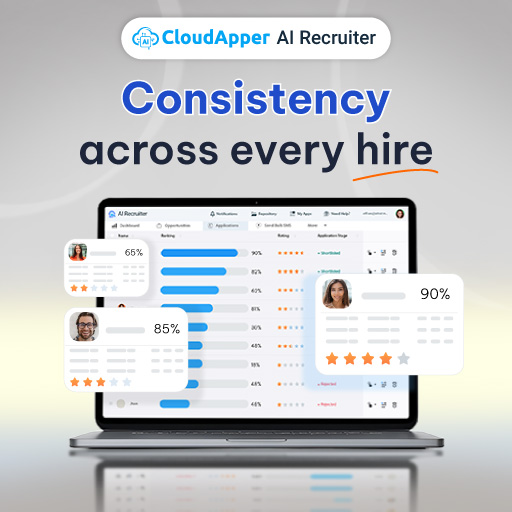
| Scalability | Limited by human capacity | Handles unlimited applications simultaneously |
| Time to Complete | 24+ hours for initial screening | 2 minutes to complete automated screening |
| Cost per Hire | High due to time investment and fraud slipping through | Significantly reduced through automation and fraud prevention |
How to Integrate CloudApper AI Recruiter with UKG to Detect Candidate Fraud
Getting started with AI-powered fraud detection in your UKG environment is straightforward. We’ve designed the integration process to be consultative and low-risk, so you can see real results before committing to a full deployment.
Step 1: Share Your Recruitment Challenges with Our Solution Experts
The first step is having a conversation with our solution experts about the recruitment challenges you’re currently facing. We’ll discuss your UKG solution (Pro or Ready), your current workflows, and the specific fraud concerns you’re dealing with.
We’ll also talk about requirements unique to your company, whether that’s healthcare credential verification, technical skills validation, or industry-specific compliance needs. This consultation ensures we build a solution that fits your process, not a generic template.
Step 2: We Build Your Custom Fraud Detection Solution
Once we understand your needs, our team develops your custom solution within a very short timeframe. We configure fraud detection rules specific to your roles and industry, set up scenario-based questions relevant to your positions, and integrate everything seamlessly with your existing UKG workflows.
Your recruiters continue working in the UKG dashboard they’re already familiar with. The fraud detection simply happens automatically in the background, enhancing your current process without disrupting it.
Step 3: Test with a Single Recruitment Campaign
Before full deployment, we recommend piloting the solution with one active role. This lets you see fraud detection working in real-time with actual candidates, evaluate the accuracy of fraud signals, and make any necessary adjustments.
This zero-risk approach means you can verify the system catches what you need it to catch before scaling up. If tweaks are needed, we make them during this testing phase.
Step 4: Deploy Across Your Entire Hiring Process
Once you’re confident in the results, we roll out the solution to all your positions. Every job posting in UKG now has AI-powered fraud detection protecting it automatically.
You get ongoing support and optimization as your needs evolve. The fraud detection becomes a seamless part of your UKG workflow, working in the background to protect every hire you make.
Protect Your UKG Hiring Process Today
Candidate fraud isn’t going away. If anything, it’s getting more sophisticated as candidates gain access to better AI tools and understand how to game recruiting systems.
But you don’t have to accept it as an unavoidable cost of hiring. You don’t have to choose between speed and security. And you don’t have to overhaul your entire UKG recruiting process.

CloudApper AI Recruiter gives you AI-powered fraud detection that works within your existing UKG Pro or Ready system. It catches fraudulent candidates automatically, verifies claimed qualifications through scenario-based questioning, and ensures you’re only spending time on honest, qualified applicants.
Your recruiting team gets its time back. Your hiring managers make better decisions. Your organization avoids the costly mistakes that come from fraudulent hires.
Why wait for a bad hire to expose resume fraud? Build protection into your UKG recruiting workflow today.
Common Questions I Get Asked The Most
-
What is candidate fraud in recruitment?
Candidate fraud occurs when job applicants intentionally misrepresent their qualifications, experience, credentials, or identity during the hiring process. This includes falsified resumes, fake degrees, inflated experience, and use of AI tools to deceive recruiters. It's any deliberate deception designed to make a candidate appear more qualified than they actually are.
-
How common is resume fraud?
Studies consistently show that a significant percentage of resumes contain some form of false information. The exact numbers vary by study and industry, but resume fraud is far more common than most employers realize. It ranges from minor embellishments (extending employment dates by a few months) to major fabrications (inventing entire degrees or job histories).
-
Can AI detect fake resumes?
Yes. AI-powered screening tools like CloudApper AI Recruiter can detect fake resumes by analyzing context rather than just keywords, checking for consistency across all application materials, asking scenario-based questions that verify claimed experience, and identifying patterns consistent with AI-generated or fabricated content. The key is using AI that goes beyond simple keyword matching.
-
How does AI prevent candidate fraud in UKG?
CloudApper AI Recruiter integrates with UKG Pro and Ready Recruiting to automatically screen every application for fraud indicators. It analyzes resumes for inconsistencies, asks personalized verification questions based on claimed experience, checks for AI-generated content, and scores candidates using transparent, rule-based criteria. All results sync directly into your UKG system, so you see which candidates have been verified and which raised red flags.
-
What are the signs of a fraudulent job application?
Common red flags include inconsistent employment dates or gaps without explanation, responsibilities that don't match the claimed job title, skills or certifications that seem too broad or advanced for the experience level, generic or overly perfect language that might be AI-generated, inability to provide specific examples when asked about claimed experience, and discrepancies between different parts of the application (resume, cover letter, screening questions).
-
How can CloudApper AI Recruiter help detect fraud?
CloudApper AI Recruiter uses deep contextual analysis to verify that claimed experience matches actual responsibilities, generates scenario-based questions that candidates can't prepare for with generic advice, automatically cross-references all application data for inconsistencies, identifies AI-generated content patterns, evaluates how candidates think during interviews (not just what they say), and applies structured scoring based on your criteria. It all integrates seamlessly with UKG Pro and Ready, so fraud detection happens automatically for every application.
-
Is AI bias a concern in fraud detection?
CloudApper AI Recruiter specifically addresses this by using structured, rule-based scoring rather than black-box algorithms. You define the criteria based on actual job requirements from UKG. The AI applies those criteria consistently to everyone. This approach actually reduces bias compared to manual screening, where unconscious biases can influence decisions. You get transparent, explainable results with a complete audit trail.
-
How accurate is AI in detecting candidate fraud?
AI fraud detection is significantly more accurate than manual screening because it can analyze more data points, check for inconsistencies humans would miss, ask verification questions that reveal gaps between claims and actual knowledge, and apply consistent criteria without fatigue or bias. The accuracy depends on using AI designed specifically for fraud detection (like CloudApper AI Recruiter) rather than basic keyword matching tools.