

Managing paid time off should be one of the most predictable parts of workforce management. Yet for many organizations using UKG, PTO accruals quickly become one of the most time-consuming and fragile areas to manage—especially when accrual limits need to adjust based on whether an employee is full-time or part-time.

Instead of one clean set of rules, teams end up maintaining dozens of nearly identical accrual policies. A simple annual rate change turns into weeks of recalculations, audits, and cleanup. And every manual workaround introduces risk.
This isn’t an HR process failure. It’s a system flexibility gap.
And it’s exactly where UKG customization becomes essential.
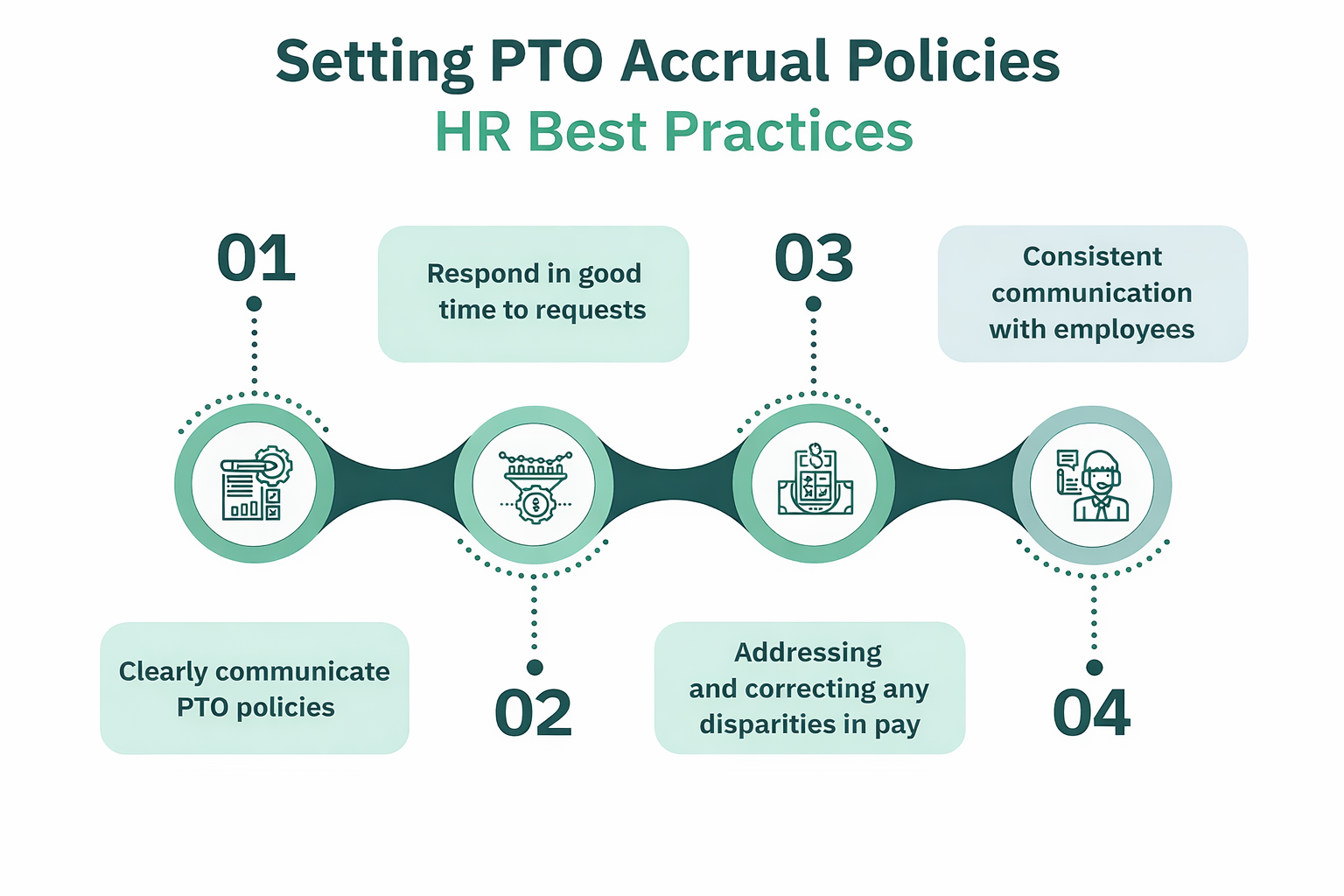
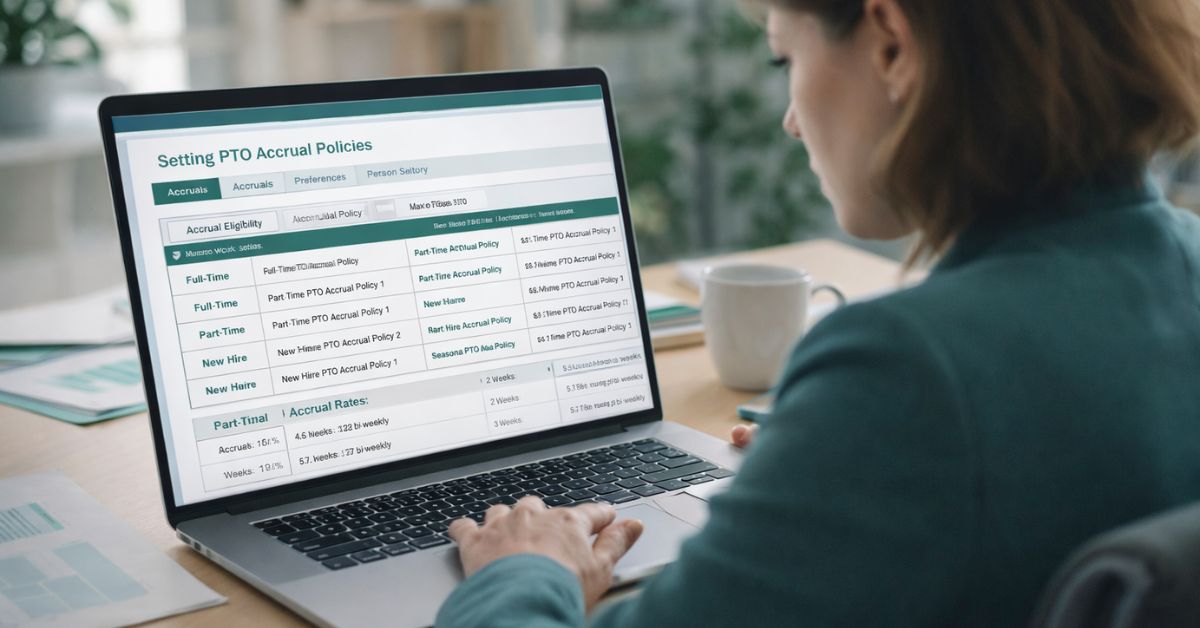
Setting PTO Accrual Policies Best Practices

The Real Problem: PTO Accrual Rules Don’t Adjust to Employee Work Status

Most workforce teams face the same reality:

  • Employees work different schedules
  • Some are full-time, some part-time, some move between the two
  • Accrual limits should scale automatically based on how much someone works

But in standard UKG configurations, accrual limits are often static. They don’t automatically adjust when an employee’s work percentage changes. As a result, teams compensate by creating separate policies for each scenario.

That’s how organizations end up with:

  • One PTO policy for full-time employees
  • Multiple versions for part-time employees at different work levels
  • Separate rules for new hires, transfers, or status changes

Over time, what started as a reasonable setup becomes impossible to manage.

Why PTO Policy Sprawl Becomes a Serious Operational Risk

Having dozens of PTO accrual policies is more than an inconvenience. It creates real risk across payroll, compliance, and employee trust.

1. Annual Rate Changes Become a Major Event

When accrual rates change at the start of the year, every policy has to be updated and recalculated. For organizations with many policies, this can mean recalculating PTO for hundreds or thousands of employees manually.

2. Errors Multiply Quietly

One missed update or incorrect rule can cause:

  • Incorrect PTO balances

  • Payroll corrections

  • Employee disputes that are difficult to explain

3. Audits Get Harder

The more policies you maintain, the harder it becomes to confidently explain how PTO is calculated—especially when auditors ask why similar employees are treated differently.

Why Standard UKG Configuration Falls Short

UKG is powerful and flexible, but its standard configuration assumes that:

  • Accrual rules are mostly fixed
  • Employee work status does not frequently change
  • Organizations are comfortable managing exceptions manually

In reality, modern workforces are dynamic. Employees move between full-time and part-time roles. Schedules change. Seasonal staffing fluctuates.

Without customization, UKG users are forced into workarounds:

  • Duplicating policies
  • Manually adjusting balances
  • Recalculating accruals when something changes

None of this scales well.

How UKG Customization Solves PTO Accrual Limits the Right Way

UKG customization allows organizations to separate business logic from policy sprawl.

Instead of maintaining dozens of PTO policies, customized logic can:

  • Calculate accrual limits based on employee work status
  • Apply rules consistently across all employees
  • Automatically adjust when work schedules change

This means you can move from policy duplication to policy intelligence.

One Rule Framework, Many Outcomes

With customization, you can define:

  • A single PTO policy
  • Logic that determines limits based on whether an employee is full-time or part-time
  • Automatic adjustments when status changes

The system does the math. HR doesn’t have to.

No Core UKG Changes Required

One of the biggest concerns HRIS teams have is stability. The good news is that proper UKG customization:

  • Does not modify core UKG code
  • Runs alongside standard UKG functionality
  • Remains stable through UKG upgrades

Solutions built using platforms like CloudApper are designed specifically to extend UKG without disrupting it. That means:

  • Faster implementation
  • Lower risk
  • No dependency on heavy IT development

What Changes for HR and Workforce Teams

Once PTO accrual logic is customized properly, teams consistently report the same improvements:

Fewer Policies to Maintain

Instead of dozens of nearly identical rules, teams manage a clean and understandable structure.

No More Year-Start Recalculation Fire Drills

Rate changes apply automatically without mass recalculations.

More Confidence in PTO Data

Employees see accurate balances, payroll runs cleaner, and audits are easier to support.

Less HR Burnout

HR teams stop spending time fixing PTO and start focusing on higher-value work.

When UKG Customization Makes the Most Sense

UKG customization is especially valuable if your organization:

  • Has a mix of full-time and part-time employees
  • Experiences frequent schedule or status changes
  • Maintains more than a handful of PTO accrual policies
  • Spends significant time recalculating or correcting PTO

If PTO management feels fragile or overly manual, customization is usually the missing piece.

PTO Complexity Is a System Problem, Not an HR Problem

When organizations are forced to manage dozens of PTO policies just to reflect how much employees work, something is broken—but it isn’t the HR team.

UKG customization allows organizations to:

  • Align PTO accruals with real-world work patterns
  • Reduce policy sprawl
  • Eliminate unnecessary manual recalculations

PTO should be predictable, accurate, and boring.
With the right customization approach, it finally can be.

Facing similar PTO accrual challenges in UKG? Contact us to see how customization can simplify your policies and eliminate manual recalculations.