A leading hospitality chain cut meal break violations with CloudApper’s UKG/Kronos Time Clock solution, enhancing operational efficiency and employee satisfaction through automated reminders, real-time monitoring, and detailed reporting.



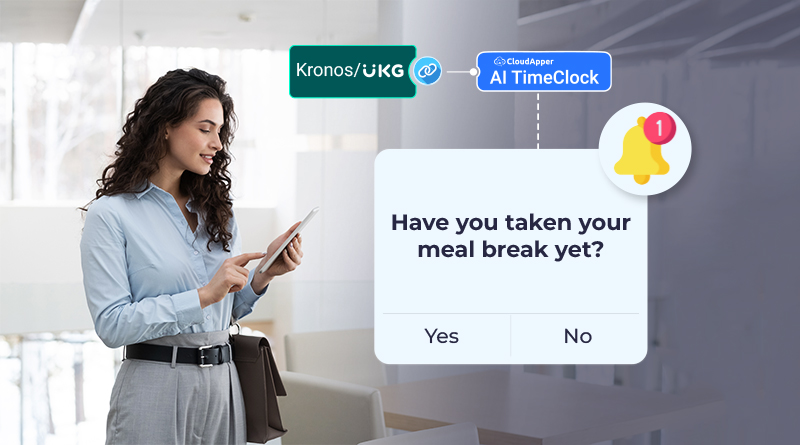
Table of Contents
If you run or support workforce operations in hospitality, you already know how tricky meal breaks can be. Shifts run long, guest demand spikes without warning, and staffing gaps force quick decisions. Even with good intentions, it is easy for someone to miss a break, which quickly turns into a compliance issue.

I have worked with many UKG users in hospitality, and the challenge is always the same. You want to protect employees and stay compliant, but manual tracking makes meal break compliance in hospitality stressful and inconsistent. This is where CloudApper AI TimeClock for UKG helps. It works alongside UKG to support real-time break tracking and reminders, helping you prevent violations before they happen. In this article, I will show you how one hospitality chain used this approach to reduce meal break issues by 70 percent.
TL;DR
-
Meal break compliance in hospitality often breaks down during busy shifts and staffing gaps when teams rely on manual tracking.
-
Missed or late meal breaks increase compliance risk, create payroll corrections, and frustrate employees.
-
Automated time clocks help by sending timely break reminders and giving managers real-time visibility.
-
CloudApper AI TimeClock for UKG works alongside UKG to track meal breaks accurately and prevent violations.
-
One hospitality chain reduced meal break issues by 70 percent by moving from manual processes to real-time tracking.
Why Meal Break Compliance Is a Major Risk in Hospitality
Hospitality is different from most industries. Your workforce changes by the hour. Schedules shift in real time. Managers juggle guest experience, staffing gaps, and labor rules all at once.
Meal break compliance in hospitality becomes risky because missed breaks often happen unintentionally. A busy dinner rush pushes a break late. A short-staffed shift skips it altogether. Nobody means to break the rules, but intent does not matter when regulators look at the data.
When meal breaks are missed or delayed, the impact adds up fast.
You risk labor law penalties that grow with each violation. Payroll corrections take time and frustrate employees. Morale drops when staff feel their well-being is not protected. Managers lose confidence because they are constantly reacting instead of staying ahead.
I have seen hospitality teams spend more time fixing break issues after the fact than preventing them in the first place.
Common Causes of Meal Break Violations
Most hospitality teams struggle with the same root problems. These challenges appear whether you manage one location or oversee dozens. The issue is rarely intent. It is usually process gaps that surface during busy shifts.
Break Tracking Depends on Memory
In many locations, meal breaks rely on verbal reminders. Managers tell employees to take a break when they can. Employees plan to step away later. When service gets busy, later often never comes. By the time anyone notices, the break window has already passed.
Schedules Change Mid-Shift
Hospitality schedules rarely stay fixed. Someone calls out. Another employee works longer than planned. A shift extends past its original end time. The break plan that made sense earlier in the day no longer fits, but it rarely gets adjusted in the moment.
Managers Lack Real-Time Visibility
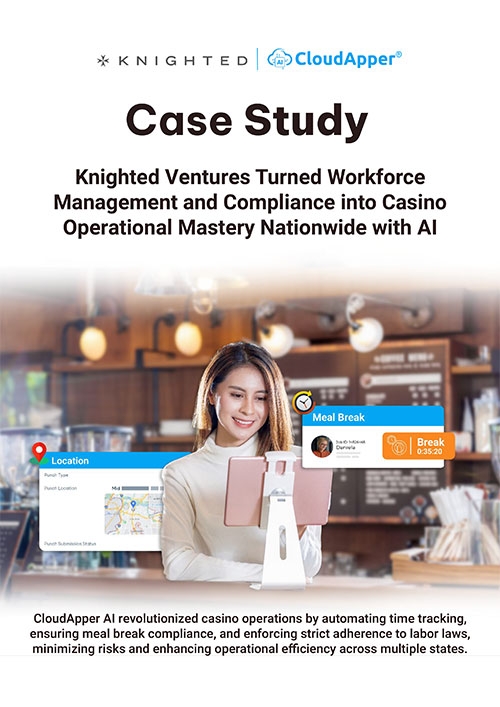
Most managers do not know a break was missed until after the shift ends. Reports are reviewed later, sometimes days later. At that point, the violation already exists. The only option left is documentation and damage control.
Manual Systems Create Errors
Paper logs and spreadsheets leave too much room for mistakes. Even digital systems without alerts depend on constant human attention. During peak hours, that attention is focused on guests, not compliance screens.
All of these factors combined make meal break compliance in hospitality harder than it needs to be.
How Automated Time Clocks Improve Meal Break Management
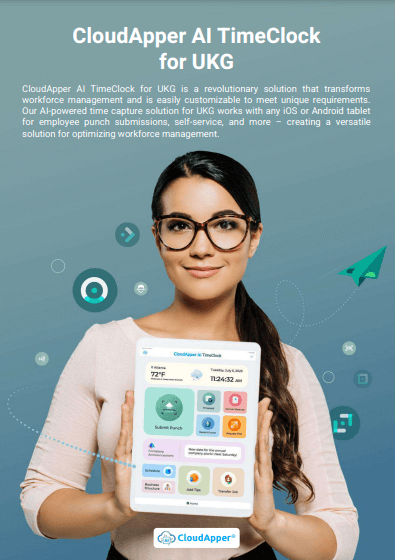
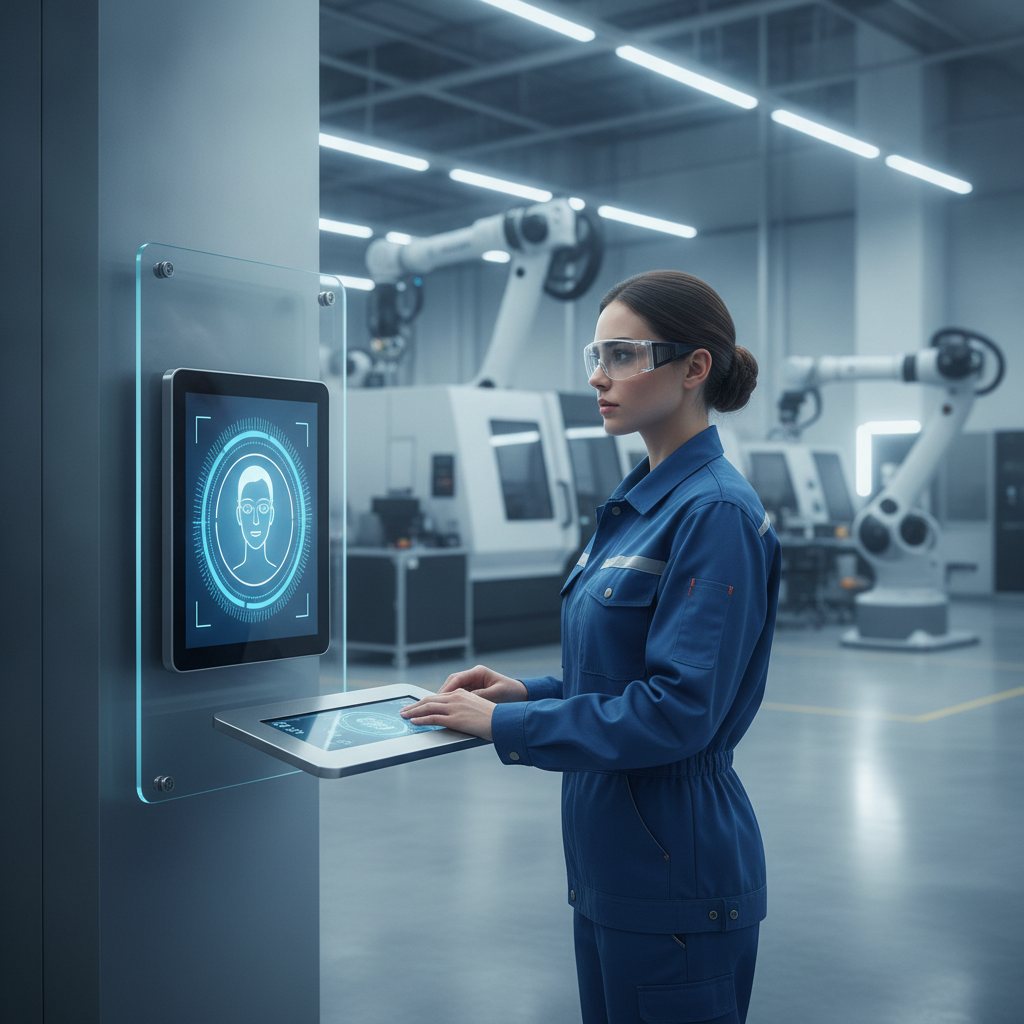
Automation supports your team during busy shifts by adding structure and visibility without changing how you already operate. CloudApper AI TimeClock for UKG works alongside UKG to help you manage meal breaks more consistently and proactively.
| Capability | What It Does in Practice | Why It Matters |
|---|---|---|
| Automated Meal Break Reminders | Notifies employees when it is time to take a break | Reduces missed breaks caused by memory or shift pressure |
| Real-Time Break Visibility | Shows managers who have taken a break and who still need one | Allows action before a compliance issue occurs |
| Accurate Break Capture | Records break activity as it happens | Minimizes payroll corrections and audit issues |
| UKG-Synced Data | Keeps break data aligned with UKG in real time | Ensures reliable reporting and compliance tracking |
| Reduced Manual Oversight | Removes the need for constant manager reminders | Makes meal break compliance easier to maintain long-term |
This shift away from manual reminders is often the turning point where meal break compliance in hospitality becomes manageable instead of stressful.
Want to see how real-time meal break tracking and reminders would work with your current UKG setup?
Case Study: How One Hospitality Chain Reduced Issues by 70 Percent
One hospitality chain I worked with had a familiar problem. They were growing fast. Locations were busy. Managers were doing their best, but meal break issues kept showing up in reports.
Missed and late breaks created compliance risks. Managers spent hours reviewing data and fixing exceptions. Employees felt frustrated when corrections appeared on their pay.
The company decided to add CloudApper AI TimeClock for UKG to support their existing workforce process.
The first thing they noticed was awareness. Automated meal break reminders helped employees take breaks on time, even during busy shifts.
Next came visibility. Managers could see who had taken a break and who still needed one while the shift was still running. This allowed quick adjustments without disruption.
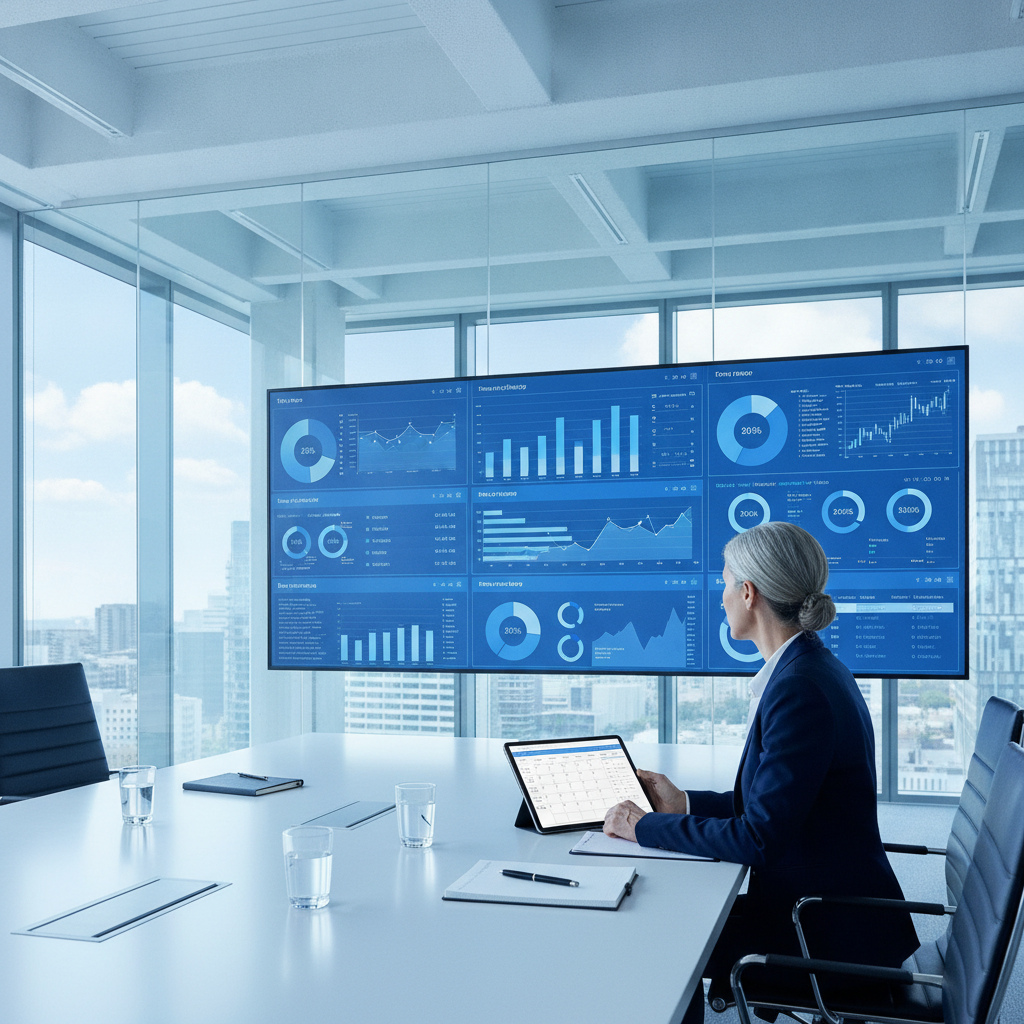
Finally, reporting improved. Clear break data made it easier to spot patterns. Some locations needed schedule tweaks. Others needed better shift coverage during peak hours.
Within a few months, meal break issues dropped by 70 percent. Not because people worked harder, but because the system helped them work smarter.
Key Results and Operational Impact
Once the new process was in place, the impact went well beyond basic compliance. The changes showed up quickly across day-to-day operations, team morale, and back-office workload.
-
Managers regained time and focus
Managers spent far less time fixing meal break issues after shifts ended. Instead of reviewing exceptions and correcting records, they focused on staffing decisions and delivering a better guest experience during peak hours. -
Employees felt supported, not monitored
Staff understood that the system existed to protect their breaks, not to police their behavior. This built trust and improved morale, especially during long or demanding shifts. -
Payroll corrections dropped significantly
Break data was captured accurately in real time, which reduced the number of manual payroll adjustments. Payroll teams spent less time chasing discrepancies and more time on higher-value tasks. -
Audits became easier and less stressful
Consistent, reliable break records made audits straightforward. Compliance reviews no longer require digging through incomplete logs or explaining exceptions. -
Meal break compliance became part of the routine
Most importantly, meal break compliance in hospitality stopped feeling like a constant fire drill. It became a normal, manageable part of daily operations rather than a recurring problem to fix.
Final Thoughts
Meal break compliance in hospitality does not fail because teams do not care. It fails because the environment is fast, unpredictable, and manual processes cannot keep up.
I have seen firsthand how UKG users improve compliance simply by adding the right support tools. CloudApper AI TimeClock for UKG helps you stay aligned with labor rules while making life easier for managers and employees.
If meal break issues keep showing up in your reports, it is not a discipline problem. It is a process problem. And process problems are solvable.
Disclaimer: Due to privacy reasons, the identity of the company in this case study cannot be disclosed.
If meal break issues keep appearing in your reports, it may be time to replace manual tracking with a process that works during real hospitality shifts.
Frequently Asked Questions
-
What does meal break compliance in hospitality mean?
It means ensuring employees take required meal breaks on time and that breaks are recorded accurately, so your business stays aligned with labor rules and avoids avoidable violations. -
Why do meal break violations happen so often in hospitality?
They usually happen during busy shifts, staffing gaps, or sudden schedule changes. Breaks get delayed or missed when teams rely on memory, verbal reminders, or after-the-fact reporting. -
How can automated reminders reduce missed meal breaks?
Automated reminders notify employees when it is time to take a break, so breaks do not depend on manager availability or a worker remembering during a rush. -
How does real-time visibility help managers prevent violations?
When managers can see break status live during the shift, they can adjust coverage and send someone on break before a violation occurs instead of discovering it later in reports. -
How does CloudApper AI TimeClock for UKG support meal break compliance?
It works alongside UKG to support real-time break tracking, automated reminders, accurate break capture, and synced reporting so you can prevent issues and reduce payroll corrections.